PublicSphere Live
Politics
ADC Unveils Governorship Candidates in 28 States Ahead of 2027 Elections
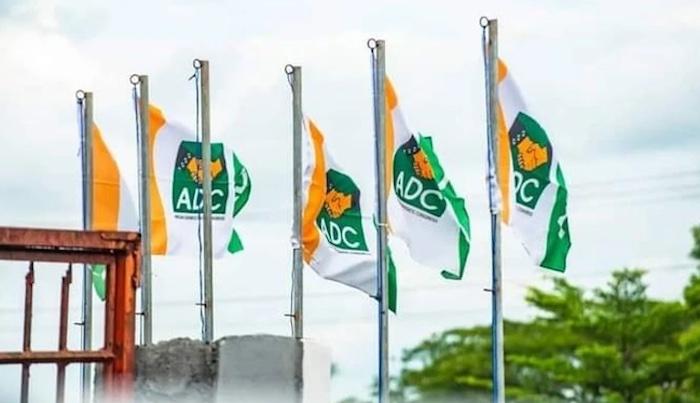
The African Democratic Congress (ADC) has unveiled its governorship and deputy governorship candidates for the 2027 general elections in 28 states, dramatically expanding the opposition party’s presence across Nigeria as political activities gather momentum ahead of the polls.
The list, released by the party’s National Publicity Secretary, Bolaji Abdullahi, features a mixture of former lawmakers, political heavyweights, former government officials and returning governorship contenders. The party said the candidates would carry the ADC banner and its promise of providing Nigerians with “credible leadership and a real alternative.”
Among the most prominent names on the list are former Lagos governorship candidate Gbadebo Rhodes-Vivour, former Kaduna governorship candidate Isa Ashiru, former Attorney-General of the Federation Abubakar Malami, former Delta governorship candidate Great Ogboru, and Senator Ahmad Babba Kaita in Katsina.
The development comes at a critical stage in Nigeria's political calendar, with parties already positioning themselves for the 2027 elections. The ADC's decision to unveil candidates across 28 states signals an attempt to move beyond being viewed simply as a platform for opposition politics at the federal level and establish a significant presence at the state level.
A National Push
The breadth of the list is perhaps the most significant aspect of the announcement.
The ADC has named candidates in states spanning the North, South-West, South-East, South-South and North-Central regions. The states are Abia, Adamawa, Akwa Ibom, Bauchi, Benue, Borno, Cross River, Delta, Ebonyi, Enugu, Gombe, Jigawa, Kaduna, Kano, Katsina, Kebbi, Kwara, Lagos, Nasarawa, Niger, Ogun, Oyo, Plateau, Rivers, Sokoto, Taraba, Yobe and Zamfara.
For a party seeking to present itself as a serious alternative in 2027, the geographical spread is politically significant. Rather than concentrating its efforts in a handful of states where it may have established structures, the party is attempting to put candidates before voters across much of the country.
That strategy could become particularly important as the 2027 election approaches and voters begin to weigh not only presidential candidates but also who they want governing their individual states.
Rhodes-Vivour Returns to Lagos Race
One of the most closely watched names on the list is Rhodes-Vivour, who has been selected to contest the Lagos governorship under the ADC.He will be paired with Gbadamosi Babatunde Olalere as his running mate.
Rhodes-Vivour was the Labour Party's governorship candidate in Lagos in the 2023 election, making his emergence under another platform one of the developments likely to attract considerable attention as the 2027 contest takes shape.
His return to the Lagos race gives the ADC a recognisable political figure in one of Nigeria's most politically and economically influential states. Lagos is also traditionally one of the country's most competitive political arenas, with the governorship contest capable of generating national attention because of the state's population, economic importance and political influence.
Ashiru, Malami, Ogboru Enter the Battle
In Kaduna, the ADC has chosen Isa Mohammed Ashiru, who previously contested the governorship election in the state. He will contest alongside Kantiok Irmiya Ishaku.
The selection places Ashiru once again at the centre of a major Kaduna political contest and gives the ADC an experienced candidate with previous exposure to the state's governorship race.
In Kebbi, the party has picked former Attorney-General of the Federation, Abubakar Malami, with Zagi Musa Mohammed as his deputy.
Malami's candidacy stands out because of his experience at the federal level and his prominence in national politics.
In Delta, the ADC has turned to Great Ogboru, another familiar face in Nigerian electoral politics. Ogboru will contest alongside Afiari Gloria. Ogboru has previously contested the Delta governorship election, making his return another indication that the ADC is relying in several states on politicians with established electoral experience.
In Katsina, Senator Ahmad Babba Kaita is the party's candidate, with Aminu Yar'adua Ahmed as his running mate.
THE FULL 28-STATE LINE-UP
The ADC's candidates and running mates are:
| State | Governorship Candidate | Deputy Candidate |
|---|---|---|
| Abia | Kalu Kalu Agu | Alozie Ogidimma Darlington |
| Adamawa | Modibbo Hammantukur Ribadu | Aguwa Kevin Iliya |
| Akwa Ibom | Akpanudoedehe John James | Nsien Mkpombuk Tommy |
| Bauchi | Halliru Dauda Jika | Sama’ila Mohammed Kabir |
| Benue | Herman Iorwase Hembe | Abba John Abba |
| Borno | Babagana Buhari | Mamman Dauda |
| Cross River | Nkoyo Toyo | Okwoche Andrew Adagbor |
| Delta | Great Ogboru | Afiari Gloria |
| Ebonyi | Ukpai Mba Udeh | Onwe Daniel Ede |
| Enugu | Ocho Obodoze Chukwuma | Eze Arinze Christopher |
| Gombe | Bala Bello | Bala Sani Isa |
| Jigawa | Sabo Mohammed Nakudu | Musa Ya’u Balarabe |
| Kaduna | Isa Mohammed Ashiru | Kantiok Irmiya Ishaku |
| Kano | Ibrahim Ali Amin | Shehu Abdulkadir Bari |
| Katsina | Ahmad Babba Kaita | Aminu Yar’adua Ahmed |
| Kebbi | Abubakar Malami | Zagi Musa Mohammed |
| Kwara | Zakari Mohammed | Olawuyi Julius Olayide |
| Lagos | Gbadebo Rhodes-Vivour | Gbadamosi Babatunde Olalere |
| Nasarawa | Nuhu Angbazo | Ahmed Yusuf |
| Niger | Mohammed Kpautagi | Musa Mamman |
| Ogun | Biodun Collins Ogundipe | Muraina Oluwaranti Oluyemi |
| Oyo | Taofeek Adegboyega Adegoke | Wahab Adeniyi |
| Plateau | John Sunday Sura | Pwajok-Kele Chundung Bitrus |
| Rivers | Gabriel Pidomson | Okumgba David Amapakaye |
| Sokoto | Manir Mohammad Daniya | Isah Bello Ambarura |
| Taraba | Abubakar Umar Tutare | Kwetishe Haruna Kwenyan |
| Yobe | Kassim G. Gaidam | Kori Lawan Mohammed |
| Zamfara | Shinkafi Bilyaminu Yusuf | Muhammad Abdulmuddalib Auwal |
The list was published by multiple Nigerian news organisations following the party's announcement.
ADC Seeks to Turn Opposition Momentum into State Power
The announcement is more than the publication of names. It is also a test of whether the ADC can convert the opposition momentum surrounding the 2027 election into an effective nationwide political structure.
The governorship elections will be particularly important because state governments control significant resources and have direct responsibility for areas such as primary healthcare, education, infrastructure, local economic development and other services that affect citizens daily.
For the ADC, winning governorship seats would therefore provide considerably more than political visibility. It would give the party executive power at the state level and potentially strengthen its organisation ahead of subsequent elections.
The party's leadership will now face the harder task of transforming the candidates into viable electoral machines. Candidate recognition alone will not guarantee victory. The ADC will have to build ward-level structures, mobilise voters, raise funds, settle internal disputes and develop state-specific policy platforms capable of competing with the established political machinery of the APC, PDP and other parties.
The Real Test Begins Now
The unveiling also places the spotlight firmly on the candidates themselves. For prominent figures such as Rhodes-Vivour, Ashiru, Malami and Ogboru, the 2027 election will provide another opportunity to convert political experience and name recognition into electoral success.
For lesser-known candidates, the challenge will be even greater: introducing themselves to voters, establishing credibility and building a campaign organisation capable of competing against better-established parties.
The ADC will also have to convince voters that its candidates represent more than a protest vote. That question could become particularly important as the 2027 campaign develops. Nigerians will be looking increasingly at candidates' records, programmes and capacity to govern rather than simply their party labels.
The ADC itself has framed its candidates as representatives of “credible leadership” and a “real alternative.” The coming months will determine whether that message resonates beyond the party's immediate supporters.With the ADC now putting names to its governorship ambitions in 28 states, the 2027 political contest has effectively moved another step closer to the grassroots.
The battle will no longer be fought only over who occupies Aso Rock. It will increasingly be about who controls the states—and which political party can persuade Nigerians that it deserves the mandate to govern them.