PublicSphere Live
Editorial
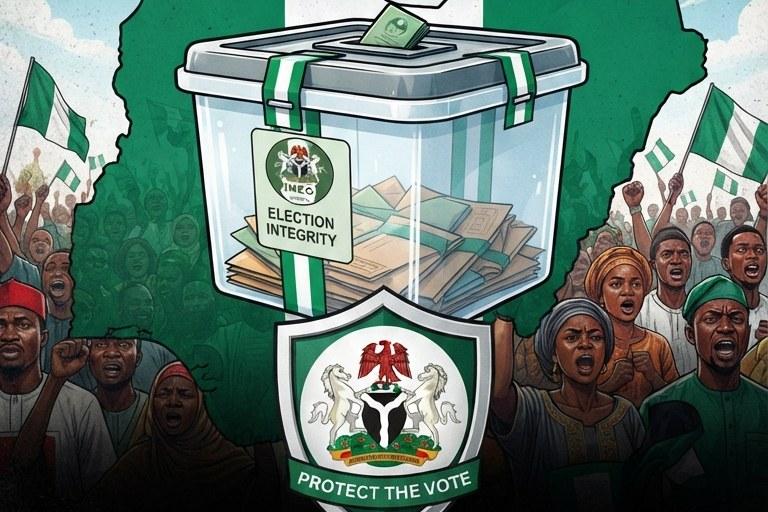
EDITORIAL : Nigeria 2027 Elections: Stop Political Thuggery and Opposition Intimidation!
The reported attacks on Peter Obi in Cross River and Benue States are a dangerous assault on democratic freedom. No political party should be allowed to monopolise public space, intimidate opponents or determine who can campaign where.
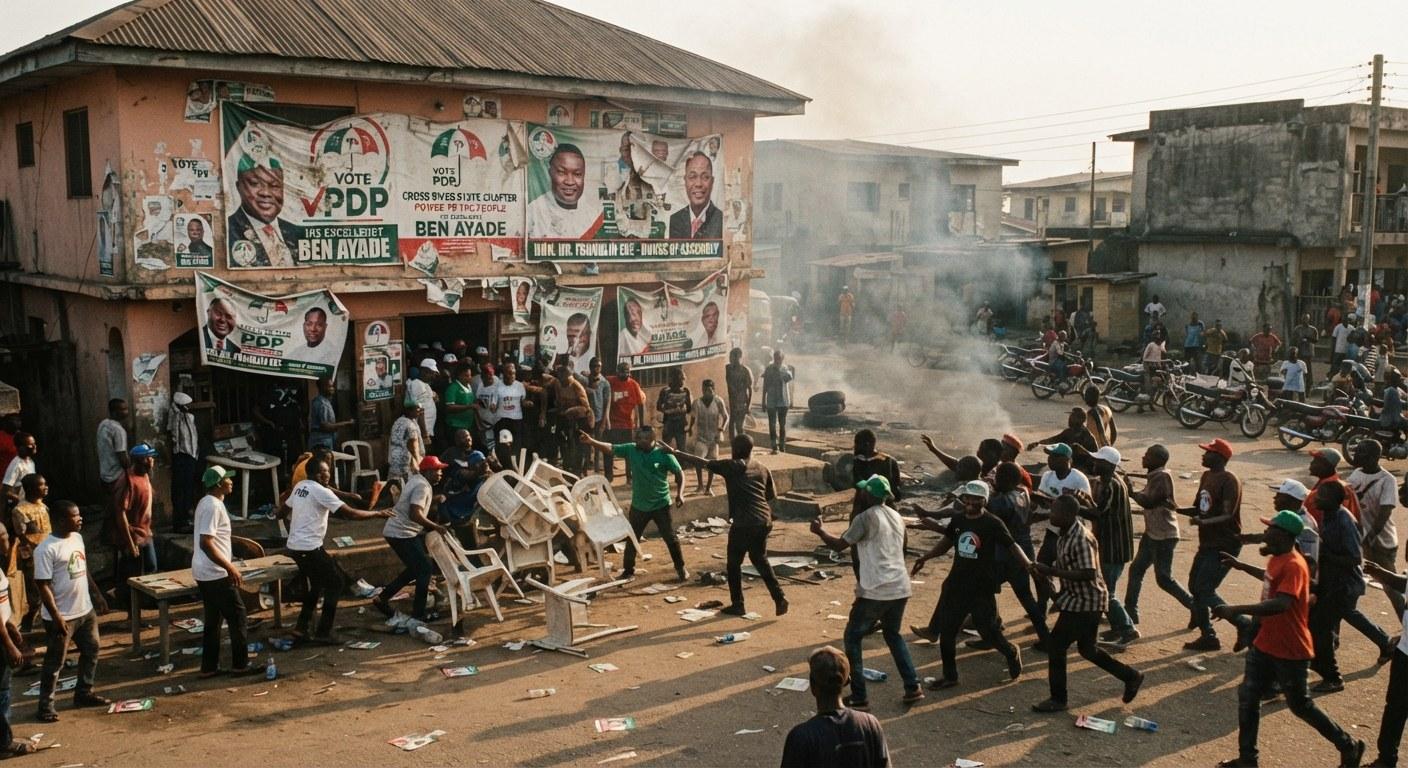
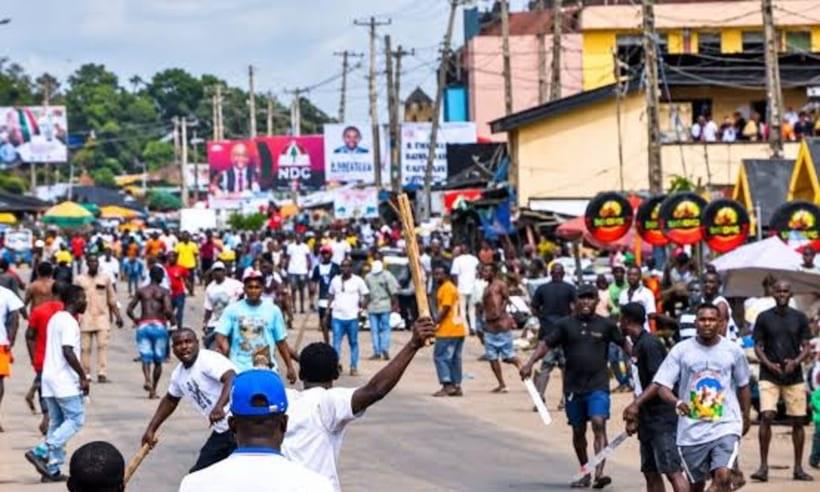
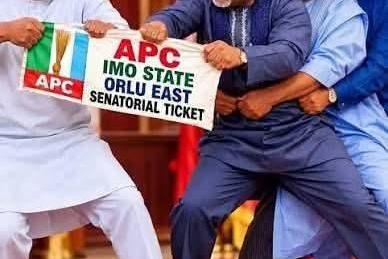
Nigeria cannot credibly claim to be practising democracy while political opponents are subjected to intimidation, violence and obstruction in the exercise of their constitutional rights. The reported attacks on Peter Obi, presidential candidate of the Nigeria Democratic Congress (NDC), in Cross River State, and the alleged obstruction of his movement in Benue State are disturbing reminders of how dangerously political intolerance is threatening the country’s democratic foundations. Suspected thugs have attacked supporters of NDC at a campaign rally in Delta State.
The attack happened on Saturday while the supporters were reportedly at the rally ground.
The thugs reportedly attacked the supporters and damaged a vehicle parked near the venue.
The incidents are not merely unfortunate confrontations between rival political groups. They represent a fundamental assault on the principles upon which representative government is built: freedom of association, freedom of movement, political participation, tolerance of opposing views and the right of citizens to choose their leaders without coercion.
According to reports, Obi’s convoy and supporters were attacked by suspected political thugs in Calabar, Cross River State, during his visit for a political engagement. Vehicles were reportedly damaged, supporters injured and the atmosphere thrown into confusion. The police subsequently arrested a suspect and commenced investigations.
This development followed an earlier incident in Benue State, where suspected thugs reportedly obstructed Obi’s convoy and prevented him from accessing a community he intended to visit. The Benue State Government denied involvement in the incident, an allegation that must be investigated objectively rather than accepted or dismissed on political grounds.
The point is that such incidents, whether orchestrated by political actors or arising from the activities of unaffiliated troublemakers, have no place in a democratic society.
Democracy Is Not A Privilege Of The Ruling Party
One of the greatest misconceptions about Nigerian politics is the apparent belief among some political actors that winning an election confers exclusive ownership of government, public institutions, political space and the people themselves.
This is an unfortunate distortion of democracy.
Democracy is not the exclusive preserve of the ruling party. It is not a system in which the party in power determines which opposition candidate may visit a community, address citizens, hold a rally or canvass for votes.
The governing party may enjoy the advantage of incumbency, but that advantage must never be converted into a licence to intimidate political opponents or deny them their constitutional rights.
A presidential candidate is entitled to campaign, engage citizens, visit communities and communicate his political ideas without fear of attack. The same protection must extend to candidates of every political party, whether they belong to the ruling All Progressives Congress, the NDC, the African Democratic Congress or any other registered political organisation.
The right to political participation cannot depend on the popularity of a candidate, the political affiliation of a community or the disposition of its governor.
If Nigerians are free to elect their leaders, they must equally be free to listen to those seeking their votes.
Thuggery Is Not Political Mobilisation
Political mobilisation involves persuading citizens to support a candidate through ideas, programmes, policies and vision. Thuggery, by contrast, relies on intimidation, threats, violence and the suppression of competing voices.
The distinction is fundamental.
A political party that believes in its candidate should have no reason to prevent another candidate from speaking to the electorate. Its responsibility is to present a superior argument, demonstrate its achievements and convince voters that its manifesto offers a better future.
The deployment of thugs, however, suggests an alarming lack of confidence in the power of persuasion.
When political opponents are attacked, their supporters injured and their movements obstructed, the perpetrators are not strengthening democracy. They are undermining it.
Indeed, political violence frequently produces the opposite of its intended effect. It can deepen public resentment, strengthen the resolve of opponents, polarise communities and create an atmosphere in which peaceful political disagreement becomes increasingly difficult.
No responsible political organisation should seek electoral advantage through violence.
The ballot must triumph over the baton. Persuasion must prevail over intimidation. Political competition must be determined by the strength of ideas rather than the capacity to unleash violence.
The Dangerous Consequences Of Political Intolerance
Nigeria should not underestimate the consequences of allowing political thuggery to become normalised.
The country has experienced the devastating effects of electoral violence, communal conflict and political manipulation. Lives have been lost, properties destroyed, communities traumatised and democratic institutions weakened by the inability or unwillingness of political actors to respect the rules of competition.
The danger is particularly acute as the 2027 general elections approach.
If political thugs are permitted to attack opposition candidates during preliminary engagements, what assurance can Nigerians have that the campaigns, rallies, voting and collation processes will be peaceful?
If candidates cannot safely visit communities today, what guarantees exist that voters will be able to freely express their preferences tomorrow?
The implications extend beyond individual politicians. Political violence creates an atmosphere of fear among ordinary citizens, particularly those who support opposition parties.
A voter who fears being attacked for displaying a party symbol or attending a political rally may choose to withdraw from political participation altogether.
This is how democracy is gradually weakened: not necessarily through the dramatic overthrow of an elected government, but through the systematic intimidation of citizens and the shrinking of their freedom to participate.
The ultimate victim is not Peter Obi, any other presidential candidate or a particular political party. It is the Nigerian electorate.
A Level Playing Field Is Non-Negotiable
A credible election requires a level playing field.
This does not mean that every political party must have identical resources, identical popularity or identical political fortunes. It means that every party must enjoy equal protection under the law and the freedom to compete without unlawful interference.
The government must not use state power to disadvantage opposition parties. Political supporters must not be allowed to substitute violence for persuasion. Security agencies must not selectively protect one political interest while neglecting another.
A level playing field begins with the protection of basic democratic freedoms.
Every candidate must be able to travel, campaign and engage voters. Every party must be able to organise meetings and rallies within the law. Every citizen must be able to support a political organisation without fear of harassment.
The responsibility for ensuring this environment rests principally with government and the security agencies.
The ruling party has an even greater responsibility to demonstrate political tolerance because it controls the machinery of government and exercises considerable influence over the public environment in which political competition takes place.
The use of political violence by supporters of any party is reprehensible. But where there are allegations that political thugs are sponsored, protected or encouraged by powerful actors, the matter becomes particularly grave.
Such allegations must be thoroughly investigated, and anyone found culpable must face the full consequences of the law.
Security Agencies Must Act Without Political Bias
The Nigerian Police Force and other security agencies must demonstrate that their allegiance is to the Constitution and the Nigerian people, not to any political party or individual.
The police response to the Cross River incident, including the arrest of a suspect, is a necessary first step. However, the arrest of one individual cannot be the end of the investigation.
The authorities must establish whether the attackers acted independently or were mobilised by political interests. Those who planned, financed, coordinated or encouraged the violence must also be identified and prosecuted where evidence supports such action.
The same principle applies to the Benue incident.
The state government’s denial of involvement must be taken into consideration, but it cannot substitute for an independent investigation into what happened. Equally, allegations against political officials must be established through evidence rather than political speculation.
Justice must be based on facts, not affiliations.
The Inspector-General of Police should issue clear directives to commands across the country to protect opposition candidates and supporters, prevent political violence and respond swiftly to threats against political gatherings.
Security agencies must also ensure that political rallies and campaign activities are not disrupted by rival groups.
Where genuine security concerns exist, authorities should provide lawful protection and communicate necessary restrictions transparently. They must not allow private individuals or politically motivated groups to assume the authority to determine who can enter a community.
The state alone possesses the legitimate authority to enforce the law, and that authority must never be outsourced to political thugs.
Political Leaders Must Restrain Their Supporters
Political leaders cannot escape responsibility for the conduct of their supporters.
Those who mobilise crowds, organise rallies and lead political campaigns must consistently preach peace, tolerance and respect for opposing views.
It is not enough for party leaders to condemn violence after it occurs. They must actively discourage inflammatory rhetoric, identify violent tendencies within their ranks and ensure that political mobilisation remains peaceful.
Political parties should establish internal mechanisms for disciplining members who engage in intimidation, destruction of campaign materials or attacks on opponents.
They must also resist the temptation to celebrate violence when it is directed against rival parties.
A political leader who applauds the intimidation of an opponent today may find that the same culture of violence becomes uncontrollable tomorrow.
Political thuggery has no permanent loyalty. It is a dangerous instrument that can eventually turn against those who sponsor or tolerate it.
The country's political leadership must therefore rise above partisan calculations and recognise that the preservation of democracy is a collective responsibility.
INEC And The International Community Must Not Look Away
The Independent National Electoral Commission (INEC) must also recognise that electoral credibility begins long before election day.
The commission should work with security agencies and political parties to establish clear protocols for peaceful campaigns, public meetings and political rallies.
Although INEC does not exercise direct control over law enforcement, it has an important role in promoting electoral integrity, monitoring compliance with electoral rules and raising concerns about developments that threaten peaceful participation.
The commission must be prepared to publicly condemn political intimidation and encourage accountability.
International organisations, civil society groups, religious institutions and the media must also remain vigilant.
Nigeria’s democratic progress is important not only to its citizens but also to the stability of West Africa. Political violence in Africa’s most populous country carries implications that extend beyond its borders.
The United Nations and other international partners should continue to encourage peaceful political competition, respect for constitutional freedoms and credible elections.
However, the responsibility for defending Nigeria’s democracy ultimately rests with Nigerians themselves.
The 2027 Election Must Not Be A Battlefield
The 2027 election should be an opportunity for Nigerians to debate the country’s future and choose their preferred leaders freely.
It must not become a battlefield in which political parties seek to eliminate competition through intimidation.
The electorate deserves a campaign season defined by discussions about economic hardship, unemployment, insecurity, education, healthcare, infrastructure, industrial development and the future of the country.
These are the issues that matter to millions of Nigerians struggling to make ends meet.
The country cannot afford to allow political thuggery to distract attention from the urgent challenges confronting the nation.
Nigerians should be able to assess competing manifestoes, question candidates, compare records and make informed decisions without fear.
The 2027 election must belong to the people, not to political thugs, sponsors of violence or those who believe that power gives them the right to silence others.
The Time To Act Is Now
The reported attacks on Peter Obi in Cross River and Benue States should serve as a warning that Nigeria’s democracy requires urgent protection.
These incidents must not be dismissed as routine political skirmishes or unfortunate expressions of rivalry. They are assaults on the freedoms that make democracy meaningful.
The country must draw a clear line: political disagreement is legitimate; political violence is not.
No candidate should be attacked for seeking votes. No party should be prevented from campaigning because its opponents disagree with its ideology. No citizen should be threatened for supporting a political organisation of choice.
The government, security agencies, political parties and civil society must work together to ensure that those who resort to violence are held accountable.
Above all, political leaders must understand that democracy is not strengthened by silencing opponents. It is strengthened by allowing them to speak, compete and persuade.
Nigeria must reject the politics of intimidation and embrace the politics of ideas.
The country’s democratic future depends on it.
A level playing field is not a favour to the opposition. It is a constitutional obligation and a democratic necessity.
Nigeria must never become a country where the strongest political thug determines who gets to speak, who gets to campaign and who gets to be heard.