PublicSphere Live
News
SERAP Sues Tinubu Government at ECOWAS Court Over ₦78.8bn Cash Transfer Scandal
Rights group seeks probe, recovery of funds allegedly mismanaged in social protection programmes
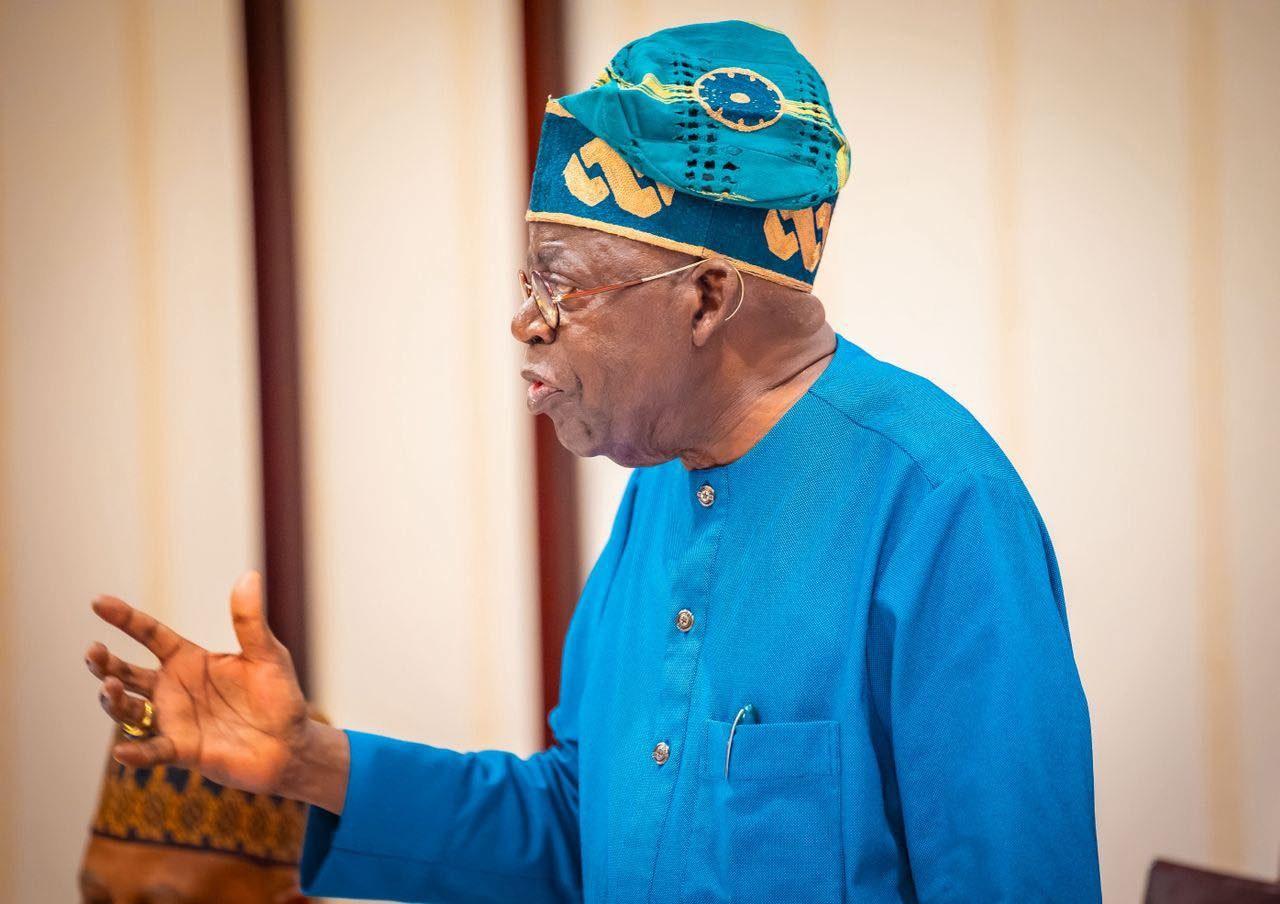
The Socio-Economic Rights and Accountability Project (SERAP) has dragged the Federal Government before the ECOWAS Court of Justice over alleged financial irregularities involving more than ₦78.8 billion allocated to cash-transfer and social protection programmes intended to support vulnerable households across Nigeria.
The organisation is asking the regional court to compel the government to account for the questioned funds, investigate the alleged irregularities, recover any public money found to have been improperly spent or diverted, and take appropriate legal or administrative action against officials found responsible.
The suit, numbered ECW/CCJ/APP/42/26, was filed last week at the ECOWAS Community Court of Justice in Abuja. It concerns the Ministry of Humanitarian Affairs and Poverty Reduction, the National Cash Transfer Office (NCTO) and the National Social Safety Nets Coordinating Office (NASSCO).
SERAP said its action was based on findings contained in the Auditor-General of the Federation’s 2024 Annual Report, published on August 7, 2026. The report identified several questionable payments and weaknesses in the documentation, verification and auditing of expenditure associated with federal cash-transfer and social protection initiatives between January 2023 and December 2024.
The organisation maintains that the allegations go beyond administrative shortcomings because the funds were earmarked for programmes designed to provide financial assistance to vulnerable Nigerians, including households struggling to meet basic needs.
According to SERAP, the funds were intended to benefit more than 3.2 million households across 35 states, making accountability over their disbursement particularly important to the protection of citizens facing economic hardship.
The organisation argues that where public funds allocated for social protection cannot be adequately accounted for, the consequences may extend beyond public financial management to the enjoyment of fundamental human rights.
It is therefore asking the court to determine whether the government's handling of the funds, and its alleged failure to investigate and remedy the reported irregularities, violate Nigeria's obligations under applicable international human rights instruments.
Auditor-General Questions ₦33.75bn Transfers
A major issue highlighted in the suit is approximately ₦33.751 billion reportedly transferred to more than 3.2 million households across 35 states in 2023.
According to the Auditor-General's report as cited by SERAP, adequate records were not provided to verify the payments and reconcile beneficiary information.
The absence of sufficient documentation has raised questions about the government's ability to demonstrate that the money reached the intended recipients and that the disbursements were properly recorded.
SERAP is asking the government to produce comprehensive payment records, beneficiary registers, verification documents and reconciliation reports to establish how the funds were administered.
The organisation also wants an explanation for missing records associated with the Remita payment system, which it specifically identified in its earlier correspondence to the President and relevant authorities.
The questions surrounding the transfers are particularly significant because cash-transfer programmes depend on reliable beneficiary identification, transparent payment procedures and effective monitoring to ensure that financial assistance reaches eligible households.
Without adequate records, it becomes difficult to independently establish whether all intended beneficiaries received their payments, whether the amounts disbursed corresponded with approved allocations and whether any discrepancies resulted from administrative failures or other forms of financial misconduct.
However, the audit concerns and allegations cited in the lawsuit do not, by themselves, establish that the entire amount was stolen or diverted. SERAP is seeking an investigation and a verifiable account of the funds to determine what happened and whether any public money was improperly spent or lost.
₦36.74bn Payments Made Without Prepayment Audits
The Auditor-General's report also identified approximately ₦36.744 billion in payments allegedly made without prepayment audits.
In addition, the report questioned ₦4.616 billion in expenditures for which supporting documentation was reportedly inadequate.
Other items identified in the audit findings included ₦350.182 million associated with enrolment, ₦89.511 million for store purchases and ₦17.422 million in diesel advances.
SERAP contends that these findings raise serious concerns about the financial controls governing the cash-transfer and social protection programmes.
Prepayment audits and other financial checks are intended to help public institutions establish that proposed payments are properly authorised, supported by relevant documentation and consistent with approved expenditure.
Where such safeguards are absent or inadequately implemented, the risk of improper payments and weak expenditure oversight increases.
Similarly, the absence of supporting documents can make it difficult for auditors and oversight institutions to determine whether expenditure was legitimate, whether goods and services were supplied as claimed and whether public money was used for its authorised purpose.
SERAP is therefore seeking a comprehensive and independently verifiable account of the questioned expenditure, alongside an investigation capable of establishing the circumstances surrounding the reported irregularities.
The figures identified in the report form the basis of the organisation's demand for greater transparency and accountability. Their precise implications, including whether any sums were improperly spent, diverted or lost, would need to be established through appropriate investigations.
SERAP Says Public Funds Have Human Rights Implications
In its court action, SERAP argues that the government's alleged failure to account for the funds and take effective corrective measures may undermine rights protected under the African Charter on Human and Peoples' Rights.
The organisation maintains that cash-transfer programmes are not merely administrative or financial initiatives but important interventions intended to help vulnerable people obtain food, clothing, housing and other necessities.
It argues that the failure to maintain reliable systems for identifying beneficiaries, recording payments, reconciling disbursements, monitoring expenditure and investigating irregularities could undermine the effective enjoyment of those rights.
SERAP is particularly concerned that deficiencies in beneficiary verification and financial reconciliation could result in eligible households being excluded from assistance or being unable to establish whether the benefits intended for them were delivered.
The organisation also invokes the principles of equality and non-discrimination, arguing that failures in the administration of social protection programmes may lead to unequal access to benefits where some eligible people are left out because of weaknesses in registration, verification or payment systems.
It further contends that the state's responsibility to protect socio-economic rights cannot be fulfilled simply by establishing a cash-transfer programme. In its view, the government must also maintain reasonable mechanisms to ensure that the programme operates effectively and that public resources are applied to their intended purposes.
The suit relies on Articles 1 and 2 of the African Charter on Human and Peoples' Rights, among other legal provisions, to advance its arguments concerning the state's obligations to respect protected rights and prevent discriminatory access to public benefits.
SERAP also cites Article 21 of the African Charter and Article 9 of the United Nations Convention against Corruption in support of its arguments on the protection of public resources, transparent financial management and the need to investigate irregularities and recover funds where losses or improper expenditure are established.
The organisation maintains that where financial management failures impair access to benefits connected with protected rights, affected citizens should have access to effective remedies.
Letter To Tinubu Preceded Lawsuit
The court action followed an earlier intervention by SERAP after the publication of the Auditor-General's report.
According to the organisation, it issued a public statement and subsequently wrote to President Bola Tinubu and relevant authorities on September 5, 2026, demanding explanations and corrective action over the questioned funds.
The letter reportedly urged the government to account for the money, publish relevant audit records, investigate the expenditure, recover any funds found to have been unlawfully spent or diverted, and take appropriate action against those responsible.
SERAP also requested payment and beneficiary records, verification documents and an explanation for the missing Remita records.
The organisation said the deadline it gave the government to address the audit findings had elapsed without adequate action.
It subsequently approached the ECOWAS Court, arguing that the failure to investigate the reported irregularities and provide a satisfactory account of the funds raises questions about Nigeria's compliance with its human rights obligations.
SERAP's lawyers, Kolawole Oluwadare and Kehinde Oyewumi, filed the case on behalf of the organisation under Article 9(4) of the ECOWAS Court Protocol.
The organisation said the proceedings were brought in the public interest to protect affected households and promote accountability over money allocated to social protection.
The lawsuit places renewed emphasis on the relationship between public expenditure oversight and the welfare of citizens who depend on government assistance. It also raises questions about the effectiveness of existing mechanisms for tracking social protection funds and ensuring that financial irregularities identified by public auditors receive appropriate attention.
What SERAP Wants The Court To Order
SERAP is asking the ECOWAS Court to declare that the failure to take effective measures to investigate and remedy the financial irregularities identified in the Auditor-General's 2024 report, where they impair or threaten access to intended benefits, violates Nigeria's international human rights obligations.
It also wants an order directing the government, through the National Cash Transfer Office, the National Social Safety Nets Coordinating Office and other relevant agencies, to provide a comprehensive and verifiable account of the questioned funds.
Such an account, according to the organisation, should include relevant payment records, beneficiary information, verification documents and financial reconciliation records.
The organisation is further seeking an order compelling the government to conduct an independent, prompt and effective investigation into the identified irregularities.
Where investigations establish that public funds were improperly spent, diverted or lost, SERAP wants the government to recover the money and take appropriate legal or administrative action against those found responsible, subject to due process.
Another relief sought is an order requiring the authorities to strengthen financial accountability, beneficiary verification, auditing, reconciliation and oversight mechanisms to prevent similar problems in future cash-transfer and social protection programmes.
SERAP is also asking the court to direct the government to take effective steps to ensure that eligible vulnerable individuals and households receive the benefits intended for them and that any established adverse effects on their protected rights are appropriately remedied.
The organisation argues that these measures are necessary to ensure that public funds allocated to social protection deliver the assistance for which they were approved.
Accountability And The Welfare Of Vulnerable Households
The case highlights the importance of transparent administration of government assistance programmes, particularly those designed to support households facing economic and social difficulties.
Cash transfers can provide a direct means of helping eligible households meet essential expenses. Their effectiveness, however, depends on accurate beneficiary registers, reliable payment systems, adequate documentation and independent oversight.
Where substantial expenditure is questioned by the country's public auditor, a credible response requires the relevant authorities to establish what was authorised, what was paid, who received the money and whether the expenditure complied with applicable financial rules.
The audit findings cited by SERAP make the production of verifiable records and an effective investigation central to resolving the allegations.
For the government, addressing the concerns would provide an opportunity to demonstrate that the funds were properly administered or identify and correct any failures established by the audit and subsequent investigations.
For beneficiaries, the issue is whether the resources allocated for their assistance reached them as intended and whether those who were eligible but excluded can obtain the support due to them.
SERAP's position is that financial accountability and human rights protection are closely connected where public expenditure is intended to meet essential needs. It argues that failure to investigate questioned payments or remedy established losses could perpetuate problems affecting vulnerable citizens.
The organisation has therefore asked the regional court to require the government to account for the funds, investigate the reported irregularities and strengthen safeguards around future disbursements.
The case is expected to test SERAP's argument that weaknesses in the administration of public funds earmarked for social protection can engage Nigeria's obligations under regional and international human rights law.
No date has been fixed for the hearing of the suit.
The allegations remain subject to investigation and judicial consideration, and the reliefs sought by SERAP have yet to be determined by the court.