PublicSphere Live
Blue Economy
NIMASA Detains Two Vessels In Cabotage Crackdown, Clears Three Others
The agency, in a corrigendum issued on Thursday, October 22, 2026, identified the detained vessels as MT Holmes and MT Sabeak, following a targeted maritime enforcement operation code-named Operation Sea Guardian.
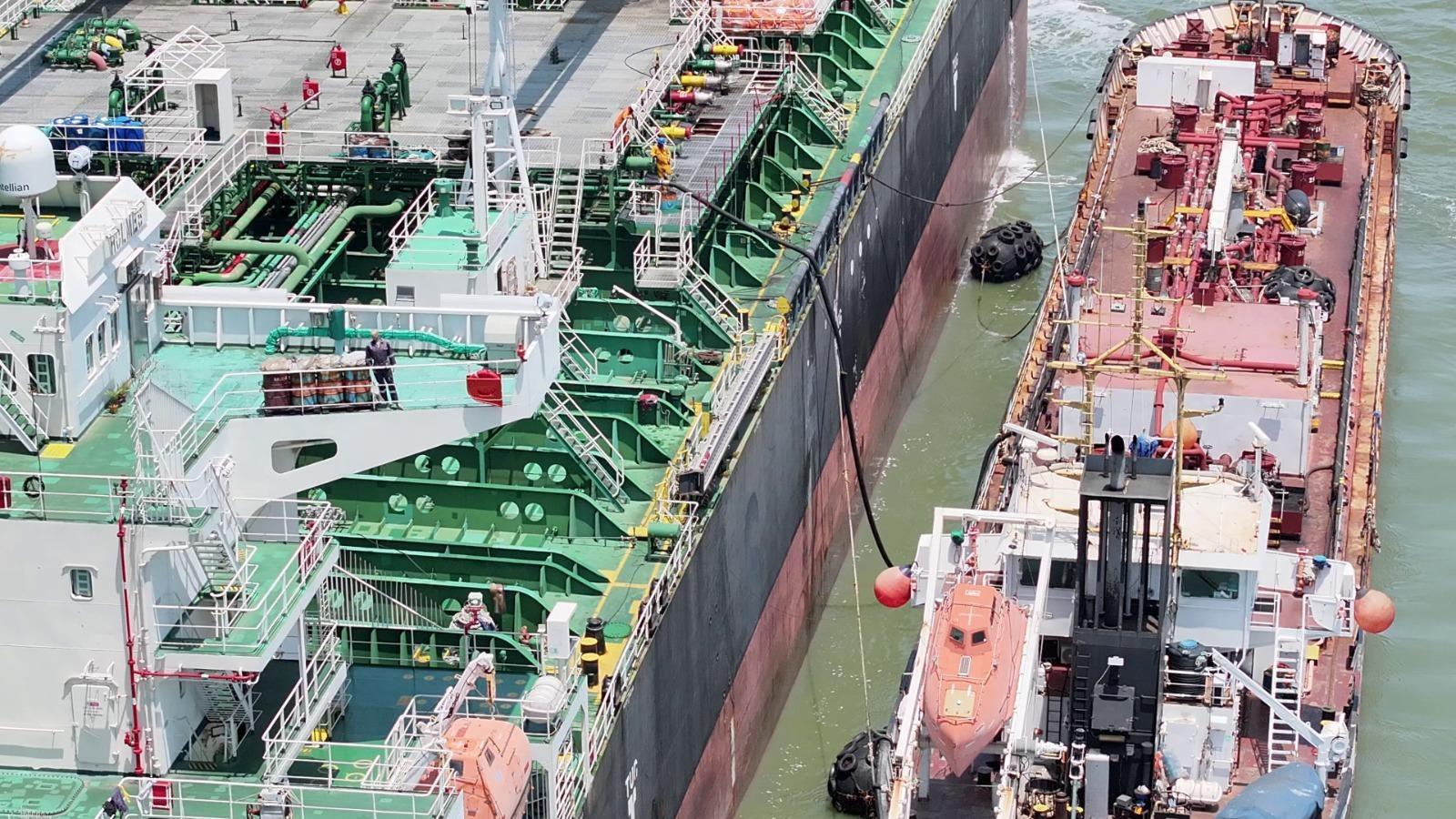
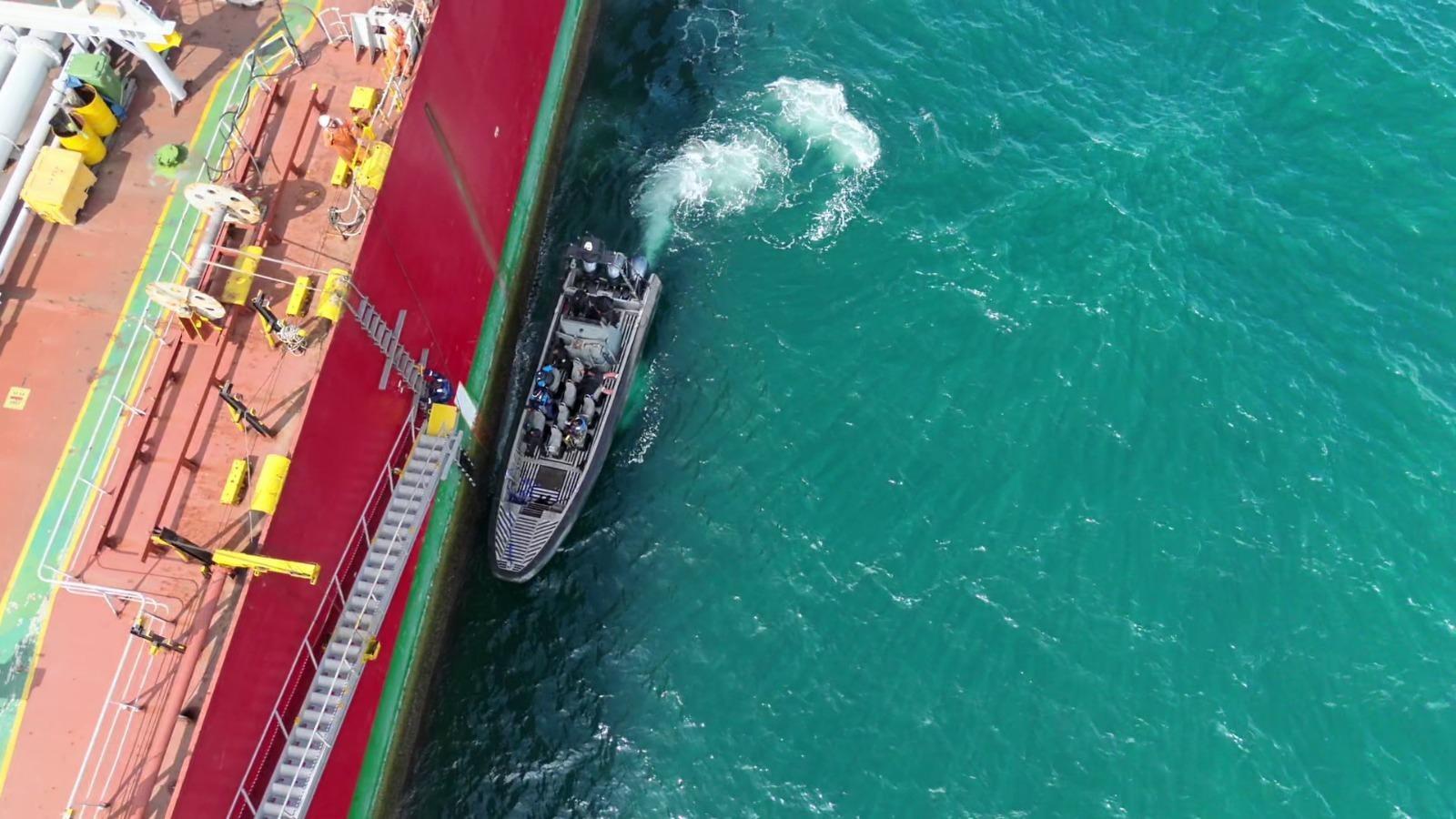
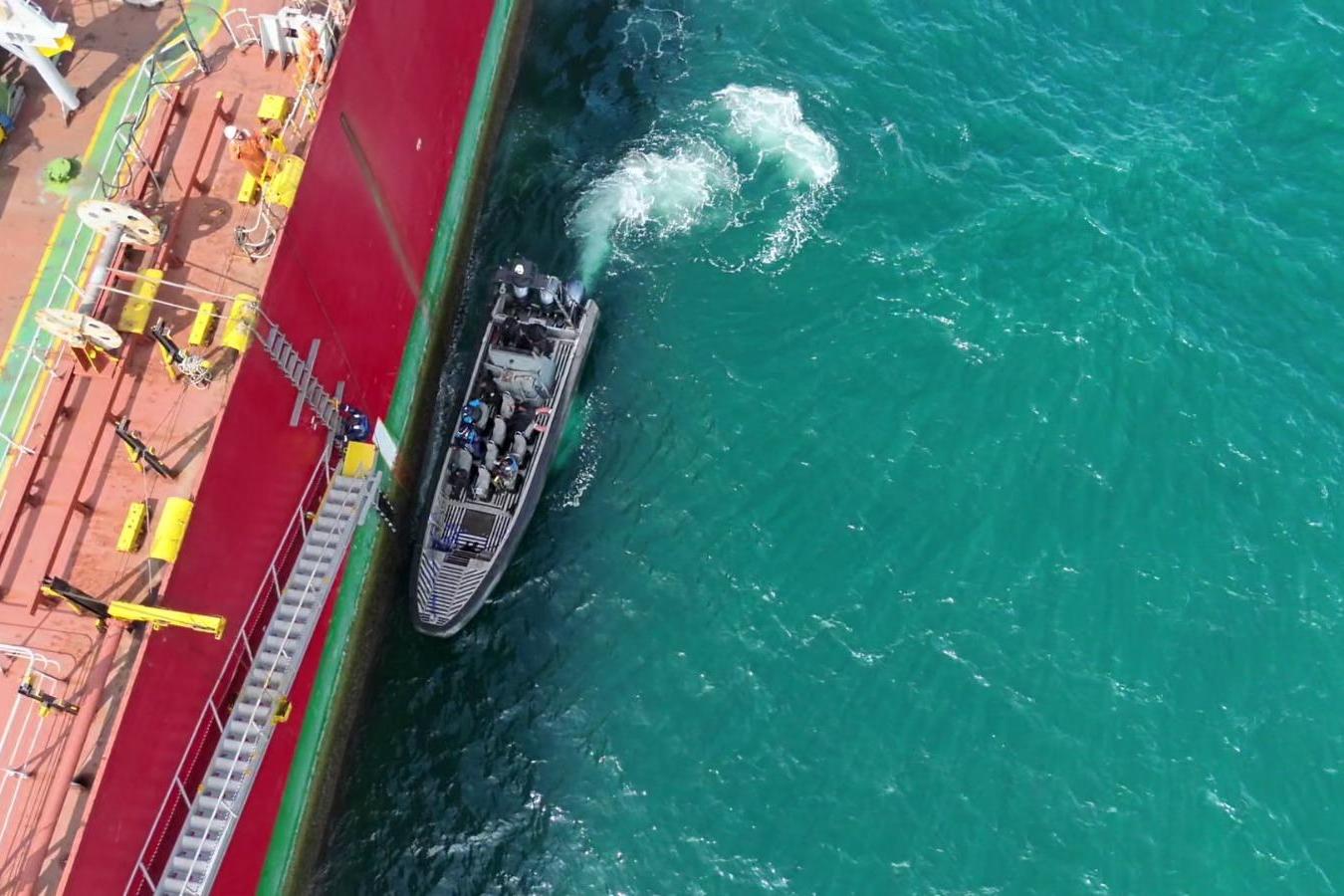
The Nigerian Maritime Administration and Safety Agency (NIMASA) has confirmed the detention of two vessels over alleged non-compliance with Nigeria’s maritime regulations, clarifying that three other vessels earlier identified in its enforcement announcement were not detained because they complied with the relevant laws.
The agency, in a corrigendum issued on Thursday, October 22, 2026, identified the detained vessels as MT Holmes and MT Sabeak, following a targeted maritime enforcement operation code-named Operation Sea Guardian.
NIMASA said MT Fujairah Energy, JS Gratitude and MT Bora, which were mentioned in its earlier statement, were not detained because they were in full compliance with the Coastal and Inland Shipping (Cabotage) Act and other applicable regulations.
The clarification followed an earlier communication that incorrectly suggested that all five vessels had been detained during the enforcement exercise.
In the corrective statement, the agency said the amendment was issued in the interest of transparency, while expressing regret over the inconvenience the earlier mix-up had caused the affected vessels and their owners.
The development underscores the agency’s continuing efforts to strengthen compliance with Nigeria’s maritime laws, particularly regulations governing coastal shipping, statutory levies and other obligations imposed on vessels operating in the country’s territorial waters.
Operation Sea Guardian Targets Non-Compliant Vessels
According to NIMASA, Operation Sea Guardian was designed as a follow-up enforcement initiative to reinforce regulatory compliance and verify whether vessels operating in Nigerian waters were meeting their statutory obligations.
The operation focused on compliance with cabotage requirements, the payment of applicable surcharges and levies, and adherence to other relevant maritime regulations.
NIMASA explained that the exercise was intelligence-driven, with vessels identified for scrutiny through intelligence reports and established compliance indicators.
Rather than relying solely on routine inspections, the operation deployed maritime surveillance and enforcement capabilities to track vessels, board them where necessary, inspect their documentation and verify their operational status.
The agency said the exercise involved the use of Deep Blue assets, alongside coordinated action by NIMASA enforcement personnel, the Nigerian Navy, the Maritime Guard Command and C4i intelligence personnel.
The collaboration, according to the agency, was intended to improve the effectiveness of maritime monitoring and ensure that vessels operating within Nigeria’s waters complied with the country’s laws.
The detention of MT Holmes and MT Sabeak followed the verification process, which identified them as non-compliant with the relevant requirements.
NIMASA, however, did not provide further details in the corrigendum about the specific breaches attributed to either vessel, the nature of their operations or the individual regulatory obligations they allegedly failed to meet.
The agency’s clarification also did not state how long the two vessels would remain in detention or what steps their owners would need to take to secure their release.
Cabotage Law And Protection Of Local Shipping
The Cabotage Act is a key component of Nigeria’s policy framework for developing domestic maritime capacity and expanding the participation of Nigerian interests in coastal shipping.
The law generally reserves specified domestic coastal and inland shipping activities for vessels owned, manned, built and registered by Nigerians, subject to statutory conditions and applicable waivers.
Its broader objective is to promote indigenous participation in maritime transportation, create employment opportunities for Nigerian seafarers, support local shipowners and encourage investment in the country’s maritime industry.
Effective enforcement is therefore important to ensuring that operators who meet the prescribed requirements are not disadvantaged by competitors who disregard their statutory obligations.
Nigeria’s maritime sector plays a strategic role in the movement of crude oil, petroleum products, agricultural commodities, manufactured goods and other cargoes. Compliance with shipping regulations is consequently relevant not only to maritime safety but also to the country’s economic competitiveness and the growth of domestic shipping businesses.
Where enforcement is inconsistent, compliant operators may face unfair competition, while the government could lose revenue from unpaid statutory charges and levies.
By targeting vessels identified through intelligence and compliance checks, NIMASA is seeking to demonstrate that regulatory obligations apply to operators regardless of their commercial activities or the nature of the vessels they deploy.
However, the effectiveness of such enforcement measures will ultimately depend on consistent application of the law, transparent procedures and the timely resolution of disputes arising from inspections and detention decisions.
Deep Blue Assets Support Maritime Surveillance
The deployment of Deep Blue assets during Operation Sea Guardian highlights the role of surveillance and inter-agency cooperation in enforcing maritime regulations.
Monitoring vessels across Nigeria’s extensive maritime domain requires the coordination of intelligence, surveillance, boarding teams and enforcement personnel operating under different institutional mandates.
The participation of the Nigerian Navy, NIMASA, the Maritime Guard Command and C4i intelligence personnel was intended to provide the operation with the operational support needed to identify vessels requiring inspection and verify their compliance status.
Such cooperation can help close enforcement gaps by enabling authorities to act on information gathered from different sources and respond more effectively to suspected violations.
It can also improve the ability of maritime authorities to distinguish between vessels that have fulfilled their legal obligations and those requiring further investigation.
NIMASA’s decision to clarify the status of the five vessels is particularly significant in this regard. By confirming that MT Fujairah Energy, JS Gratitude and MT Bora were compliant and had not been detained, the agency acknowledged the importance of accurate public communication in maritime enforcement.
Incorrectly identifying a vessel as detained for regulatory violations can create uncertainty for its owners, charterers, commercial partners and other stakeholders. In a sector where operational schedules and contractual commitments are important, such errors may also generate avoidable commercial complications.
The agency’s expression of regret therefore represents an acknowledgement of the inconvenience caused by the earlier statement.
Transparency And Accountability In Enforcement
The corrigendum places renewed attention on the need for accuracy and accountability in communications issued by regulatory agencies.
Public announcements concerning vessel detention can influence perceptions of an operator’s compliance record and may attract scrutiny from commercial partners and other industry stakeholders.
It is therefore important that such announcements clearly distinguish between vessels detained for established regulatory reasons and those that have satisfied the applicable requirements.
NIMASA’s correction has established the identities of the two vessels detained during Operation Sea Guardian and removed the three compliant vessels from the list.
Nevertheless, further information about the specific violations attributed to MT Holmes and MT Sabeak would help industry stakeholders better understand the circumstances surrounding their detention.
Details of the applicable provisions, the compliance deficiencies identified and the procedures available to the affected operators would also provide a clearer picture of the enforcement process.
Such disclosures, where consistent with ongoing investigations and applicable legal requirements, could strengthen public confidence in the agency’s regulatory work.
They would also help other vessel operators understand the standards expected of them and take appropriate steps to avoid similar enforcement action.
Implications For Nigeria’s Maritime Industry
The detention of the two vessels sends a signal that NIMASA intends to intensify scrutiny of operators whose activities may fall short of Nigeria’s maritime regulations.
For Nigerian shipowners and other indigenous maritime businesses, consistent enforcement could help create a more predictable operating environment in which compliance is rewarded and violations attract appropriate consequences.
For the government, effective monitoring of cabotage obligations and applicable levies is important to revenue protection, regulatory credibility and the broader development of the maritime sector.
However, enforcement must be accompanied by clear communication, fair procedures and timely decisions. Vessel detention can disrupt commercial operations, making it essential that regulatory action is based on properly established grounds and that affected operators have access to the applicable review or compliance procedures.
The clarification concerning MT Fujairah Energy, JS Gratitude and MT Bora also illustrates why enforcement announcements must be precise. Protecting the integrity of the regulatory process requires authorities to identify violations accurately while avoiding unnecessary reputational consequences for compliant businesses.
As Nigeria seeks to strengthen its maritime industry and expand indigenous participation in coastal shipping, sustained enforcement of the Cabotage Act will remain an important part of the effort.
The immediate outcome of Operation Sea Guardian is now clear: MT Holmes and MT Sabeak were detained for non-compliance, while MT Fujairah Energy, JS Gratitude and MT Bora were not detained because they were found to be compliant.
The challenge for NIMASA will be to sustain that enforcement drive while ensuring that inspections, detention decisions and public statements remain accurate, transparent and consistent with the law.