PublicSphere Live
Security
Airstrike Kills 40 ISWAP Fighters, Destroys Vehicles, Motorcycles in Borno
According to Goni, the operation was initiated after credible intelligence indicated that the terrorists were preparing attacks on troops operating within Sector 3's area of responsibility.
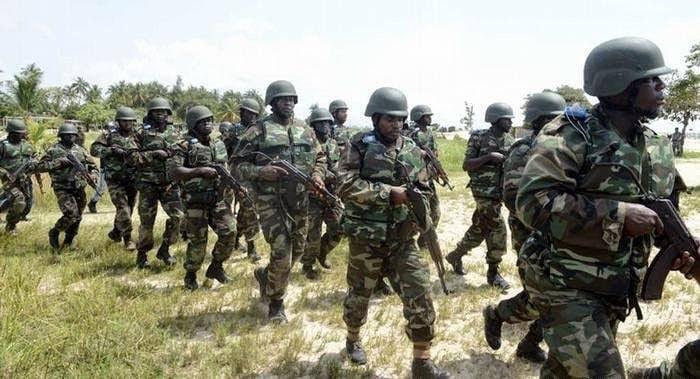
No fewer than 40 fighters of the Islamic State West Africa Province (ISWAP) have been killed in a precision airstrike conducted by the Air Component of the Joint Task Force, North East, under Operation HADIN KAI in Borno State.
The operation, which targeted a terrorist enclave in Badu Village, south of Gudumbali in Guzamala Local Government Area, also destroyed two vehicles and approximately 20 motorcycles allegedly used by the insurgents for transportation, logistics and offensive operations.
The Information Officer of the task force, Captain Mohammed Goni, disclosed the development in a statement on Monday, explaining that the airstrike was carried out over the weekend following intelligence reports indicating that ISWAP fighters were assembling to launch coordinated attacks against military formations.
According to Goni, the operation was initiated after credible intelligence indicated that the terrorists were preparing attacks on troops operating within Sector 3's area of responsibility.
He said the military responded swiftly by deploying aerial surveillance to monitor the suspected terrorist enclave and identify the movements of the fighters around their hideouts and logistics facilities.
“Acting swiftly on the intelligence, the Air Component conducted targeted aerial surveillance, identified terrorist movements around suspected hideouts and logistics facilities, and subsequently executed a precision strike on a building occupied by the terrorists,” the statement said.
The task force spokesman confirmed that a prominent ISWAP commander was among the 40 fighters killed in the operation, although he did not immediately disclose the commander's identity or the specific position he held within the insurgent group.
Goni added that the destruction of the vehicles and motorcycles would further undermine the operational capacity of the terrorists, particularly their ability to transport fighters, move supplies and launch coordinated attacks against military positions and vulnerable communities.
He described the operation as a significant setback for the insurgents, noting that it had disrupted their planned attacks and weakened their fighting capability in the area.
The latest airstrike represents another effort by troops operating under Operation HADIN KAI to prevent insurgent groups from regrouping and launching attacks against military formations and civilian populations in the North-East.
Borno State remains one of the areas most affected by the prolonged insurgency involving Boko Haram and ISWAP, with both groups having sustained operations through attacks on military positions, ambushes, raids on communities and the use of remote hideouts across difficult terrain.
The military has continued to rely on intelligence gathering, aerial surveillance and air-to-ground operations to identify insurgent concentrations and disrupt their activities before planned attacks can be executed.
The reported killing of the fighters and the destruction of their transportation assets could constrain ISWAP's operational mobility in the immediate area. However, the extent of the impact will depend on whether the group can replace the personnel and equipment lost and whether ground forces can sustain pressure on its remaining fighters.
The task force did not provide further details on the operation, including whether there were casualties among civilians or military personnel. It also did not disclose whether ground troops subsequently moved into the targeted location to assess the damage and establish the full extent of the losses inflicted on the insurgents.
Operation HADIN KAI is the military's ongoing campaign against insurgency in the North-East, with the broader objective of restoring security, protecting communities and preventing terrorist groups from using the region as a base for further attacks.