PublicSphere Live
Energy
NBET Begins Paying GenCos, Gas Suppliers Under Tinubu’s ₦728.98bn Power Sector Debt Programme
The development marks a major phase in the implementation of the government’s ₦4 trillion Power Sector Multi-Instrument Issuance Programme, designed to address longstanding financial obligations in Nigeria’s electricity industry, improve liquidity across the power value chain.
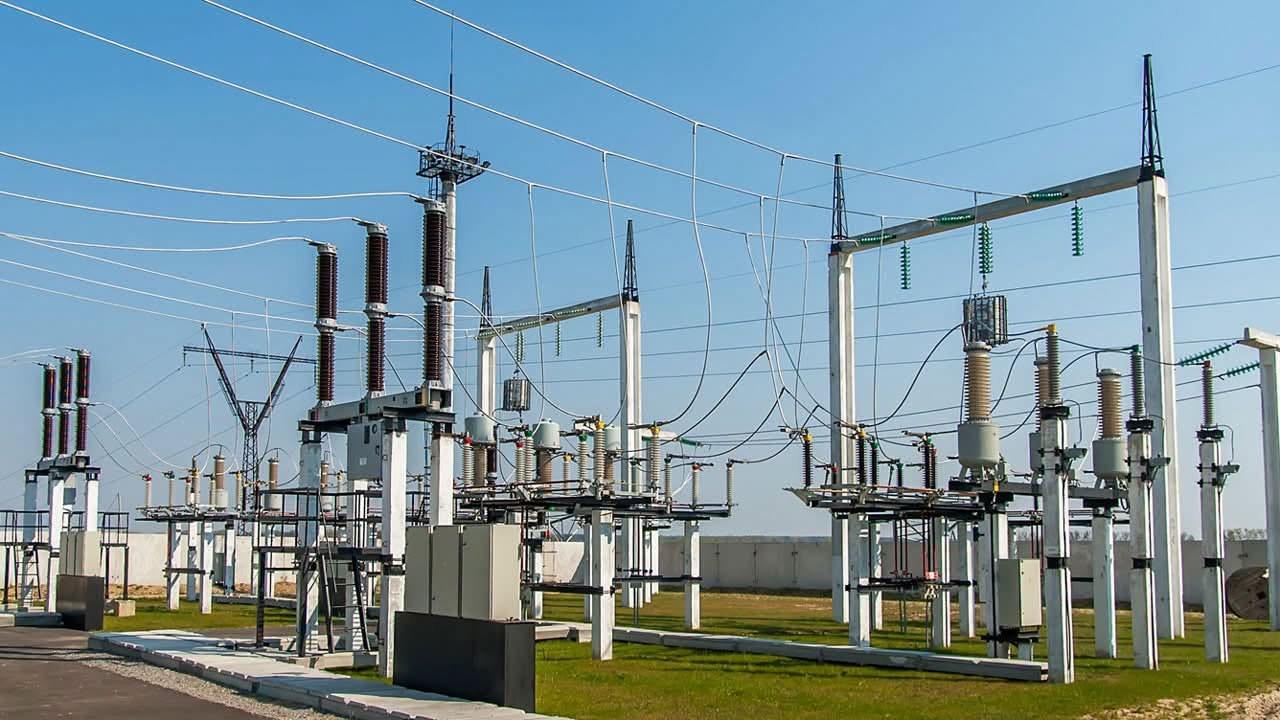
The Nigerian Bulk Electricity Trading Plc (NBET) has commenced the settlement of participating electricity Generation Companies (GenCos) and their associated gas suppliers under the Federal Government’s Presidential Power Sector Debt Reduction Programme, following the successful issuance and signing of ₦728.979 billion in Series 2 Bonds.
The development marks a major phase in the implementation of the government’s ₦4 trillion Power Sector Multi-Instrument Issuance Programme, designed to address longstanding financial obligations in Nigeria’s electricity industry, improve liquidity across the power value chain and strengthen the commercial viability of the electricity market.
NBET disclosed the commencement of the settlement in a statement signed by its Managing Director and Chief Executive Officer, Akin Odeyemi, explaining that payments were being made through a combination of cash and non-cash bonds in line with the approved settlement framework.
Under the arrangement, ₦402 billion has been allocated to cash bonds, while ₦326.979 billion is being settled through non-cash bonds, bringing the total value of the Series 2 issuance to ₦728.979 billion.
The settlement is part of the Federal Government’s broader effort to resolve accumulated obligations in the power sector, which have continued to affect the financial positions of electricity market participants and constrain their ability to meet operational and investment requirements.
Government Targets Historical Debts
The Presidential Power Sector Debt Reduction Programme is intended to address legacy obligations that have accumulated across the electricity value chain, particularly those associated with the generation and supply of electricity.
For years, financial constraints and persistent liquidity challenges have affected the operations of power sector companies, with outstanding payments creating difficulties for generating firms and their gas suppliers in meeting contractual and operational commitments.
The commencement of payments under the Series 2 Bonds is expected to provide participating companies with greater financial certainty while helping to ease some of the pressures associated with accumulated receivables.
NBET said the settlement represented an important step towards restoring liquidity across the electricity value chain and strengthening the financial position of the companies involved.
The agency added that the initiative reflected the commitment of President Bola Tinubu’s administration to resolving longstanding financial obligations and establishing a more sustainable foundation for electricity market operations.
However, the ultimate impact of the intervention will depend not only on the settlement of historical debts but also on the government's ability to prevent the recurrence of similar payment challenges.
₦402bn Cash Bonds, ₦326.98bn Non-Cash Bonds
The structure of the Series 2 issuance combines cash and non-cash instruments, with the two components accounting for the entire ₦728.979 billion settlement.
The ₦402 billion cash component represents approximately 55.1 per cent of the total issuance, while the ₦326.979 billion non-cash component accounts for about 44.9 per cent.
The combination allows the programme to deploy different settlement instruments in addressing outstanding obligations to participating GenCos and their associated gas companies.
While cash settlements can provide immediate liquidity to beneficiaries, the financial implications of non-cash bonds will depend on their specific terms, including maturity, redemption arrangements and other applicable conditions.
NBET did not provide a breakdown of the individual companies receiving payments, the amounts allocated to each beneficiary or the precise timetable for completing the current phase of the settlement.
Nevertheless, the commencement of the process represents a concrete step in translating the government's debt-reduction initiative into settlements for participating companies.
Expected Impact on Electricity Generation
The Federal Government expects the settlement of outstanding obligations to strengthen the operational capacity of generating companies and contribute to improved electricity supply.
Generating companies require substantial and consistent funding to maintain power plants, procure spare parts, undertake repairs, meet staffing and operating expenses, and sustain investments necessary to keep their facilities running efficiently.
Gas-fired power plants also depend on reliable gas supplies, making the financial relationship between electricity generators and gas producers particularly important to the stability of the power sector.
Where generating companies are unable to pay their gas suppliers promptly, supply disruptions and operational constraints can affect electricity generation and, ultimately, the volume of power available to the national grid.
By addressing some of the accumulated financial obligations owed to participating companies and their gas suppliers, the programme is intended to improve cash flow and strengthen confidence in commercial transactions across the industry.
NBET said a more financially stable generation segment would improve the capacity of GenCos to sustain and enhance their generation assets, support increased electricity generation and contribute to greater reliability across the Nigerian electricity market.
The anticipated benefits, however, are not automatic. The extent to which the intervention translates into higher electricity output will depend on factors including plant availability, gas supply, transmission capacity, distribution infrastructure and the financial discipline of other market participants.
Push For A More Sustainable Electricity Market
Beyond settling historical debts, the programme is intended to support a gradual transition towards a more sustainable electricity market cash-flow framework.
NBET said the objective was to promote improved payment discipline, stronger liquidity and greater commercial certainty, thereby creating conditions that could support continued investment throughout the electricity value chain.
The distinction is important because the settlement of legacy obligations addresses accumulated liabilities, while the long-term sustainability of the market requires mechanisms that ensure electricity generated, transmitted and distributed is paid for in accordance with applicable market arrangements.
Without improved revenue collection and timely settlement of obligations, new arrears could emerge even after substantial government-backed payments have been made.
The challenge for the government and industry stakeholders will therefore be to ensure that the debt-reduction programme is accompanied by reforms that improve the relationship between electricity supply, revenue collection and payment obligations.
A more predictable financial environment could also help reduce uncertainty for existing investors and prospective financiers considering investments in generation capacity, gas infrastructure and other essential components of the electricity market.
Second Phase of Programme Under Preparation
NBET said its current focus had shifted towards preparatory activities for the commencement of the second phase of the programme, indicating that the ongoing settlement forms part of a broader, phased intervention.
The Series 2 Bonds, valued at ₦728.979 billion, were issued under the ₦4 trillion Power Sector Multi-Instrument Issuance Programme, which provides the wider framework for the debt-reduction initiative.
The ₦4 trillion programme represents the overall programme ceiling and should not be confused with the amount of the Series 2 issuance or the value of payments already made to beneficiaries.
NBET did not disclose the timetable, financing structure or beneficiary breakdown for the next phase in its announcement.
The preparations nevertheless suggest that the government intends to continue the process of addressing outstanding obligations beyond the current settlement.
The pace and scope of subsequent phases will be important in determining how quickly the intervention can ease financial pressures across the electricity market and whether the programme can establish a durable foundation for commercial stability.
Implementation Will Determine Long-Term Results
For the electricity industry, the commencement of payments under the Series 2 Bonds provides an opportunity to address part of the financial burden that has constrained participating generators and their gas suppliers.
The intervention also raises expectations that the settlement of historical obligations will be accompanied by improvements in market operations, including more predictable payments, better coordination among industry participants and stronger incentives for investment.
For electricity consumers, the principal test will ultimately be whether the financial intervention contributes to more reliable power supply and improved service delivery.
Debt settlement alone cannot resolve every challenge confronting the sector, particularly those relating to inadequate infrastructure, gas supply constraints, transmission limitations and distribution inefficiencies.
Nevertheless, the financial health of generating companies remains an important part of the wider electricity supply equation.
NBET said the initiative demonstrated the Federal Government’s commitment, under President Tinubu’s leadership, to resolving longstanding obligations while laying the foundation for a financially sustainable, commercially viable and investment-driven electricity market.
With preparations for the programme’s second phase underway, attention will now turn to the completion of the current settlements, the treatment of outstanding obligations and the implementation of measures capable of preventing the accumulation of fresh debts.
The success of the initiative will ultimately be measured not only by the volume of bonds issued or obligations settled, but also by the extent to which the intervention improves the financial discipline of the electricity market and supports a more reliable supply of power to Nigerian households and businesses.