PublicSphere Live
Energy
NNPC Retail To Sell Petrol At Cost For 30 Days As FG Unveils Measures To Ease Fuel Price Pressure
The Federal Government says the initiative is not a return to petrol subsidy, as it moves to stabilise pump prices, expand CNG adoption and provide targeted support to vulnerable households
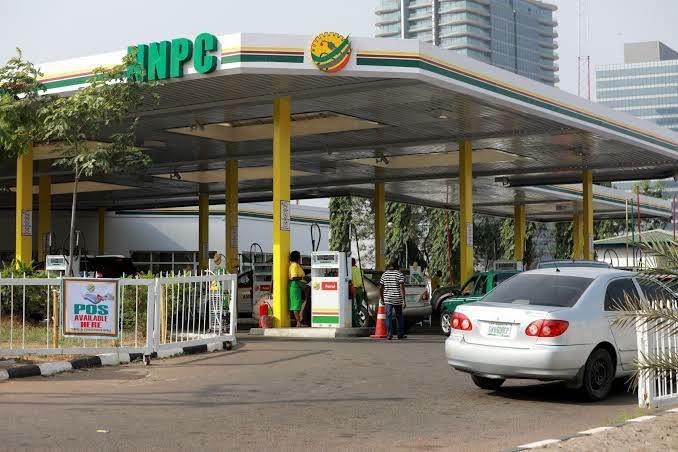
The Nigerian National Petroleum Company (NNPC) Retail Limited has agreed to forgo its petrol retail profit margin and sell the product at cost for 30 days as part of measures by the Federal Government to cushion the impact of rising global crude oil and petrol prices on Nigerian households.
The initiative, backed by President Bola Ahmed Tinubu, is expected to provide temporary relief to consumers, particularly commercial transport operators whose fuel expenses contribute significantly to transportation fares and the cost of goods and services.
The announcement was made by the Finance Minister and Coordinating Minister of the Economy, Taiwo Oyedele, as part of a package of interventions designed to moderate the impact of global energy market volatility on the Nigerian economy.
According to a statement issued by Bayo Onanuga, Special Adviser to the President on Information and Strategy, on October 8, 2026, NNPC Retail will sell petrol at the same price as its landing cost during the 30-day window, effectively foregoing its retail profit margin.
The statement explained that where the company's landing cost stood at N1,300 per litre, for instance, it would sell petrol at the same price rather than add its retail margin.
NNPC Retail, which the Presidency described as already selling petrol at the lowest price in the market, is expected to implement the arrangement as a temporary measure to ease the financial burden of the recent increase in petroleum product prices.
Oyedele expressed the hope that other fuel marketers would follow the company's example, noting that the sharp rise in crude oil and petrol prices was not expected to persist indefinitely.
He, however, stressed that the initiative should not be interpreted as a restoration of the petrol subsidy regime, which the Federal Government ended on May 29, 2023.
FG Negotiates N1,350 Petrol Cost Ceiling
Beyond the NNPC Retail initiative, the Federal Government is negotiating a ceiling of N1,350 per litre on the ex-gantry or landing cost of petrol in a further effort to moderate the impact of international market fluctuations on domestic pump prices.
Under the proposed arrangement, refiners and importers would bear any shortfall when their costs rise above the agreed ceiling, with the opportunity to recover the difference later when crude oil prices or the exchange rate become more favourable.
The government said the mechanism was intended to smooth out price movements over time rather than suppress prices or impose permanent controls on the deregulated petroleum market.
Oyedele explained that the arrangement would be reviewed monthly, with the applicable figures published to promote transparency and enable consumers and industry operators to understand how the mechanism works.
He said the objective was to reduce the uncertainty associated with sudden price increases, particularly because transportation fares and the prices of goods often rise rapidly when fuel becomes more expensive but do not necessarily decline at the same pace when fuel prices fall.
The minister argued that maintaining a relatively stable price over a period could offer households and businesses greater certainty than allowing sharp increases and subsequent reductions to occur within a short period.
The proposed N1,350 ceiling, however, is a negotiated mechanism whose implementation details and the extent of participation by refiners and importers will be important in determining its eventual impact on pump prices.
Forward Crude Sales to Domestic Refineries
The Federal Government is also introducing forward sales of crude oil to domestic refineries as part of efforts to reduce the exposure of local petroleum production to international market volatility.
According to the Presidency, increased crude oil production and the release of previously committed crude supplies are expected to improve the availability of feedstock for domestic refineries.
The measure is intended to strengthen the connection between Nigeria's crude oil production and its domestic refining capacity, potentially reducing some of the supply uncertainties that affect the local petroleum products market.
Reliable crude oil supply is particularly important to domestic refineries because interruptions or shortages can increase production costs, constrain output and create pressure for higher product prices.
For Nigeria, which has historically relied heavily on imported refined petroleum products despite being a major crude oil producer, improving the availability of domestic feedstock is central to efforts to reduce vulnerability to international supply disruptions.
The extent to which forward crude sales can stabilise petrol prices will depend on the volumes made available, the terms of supply, refinery operating capacity and the extent to which any savings are reflected in the prices paid by consumers.
Government Targets Transport Costs and Household Welfare
Recognising that petrol price increases affect far more than motorists, the government announced additional measures aimed at limiting the transmission of higher fuel costs into transportation fares, food prices and other essential household expenses.
Under the measures, the Federal Government, in collaboration with state governments and security agencies, is working to curb the collection of road taxes and levies that increase transportation and logistics costs.
The initiative will be implemented under the 2025 tax reform laws, according to the Presidency.
The government is also increasing funding for cash transfers to the most vulnerable households and expanding access to subsidised credit for small businesses and consumers.
These interventions are intended to provide more direct assistance to people who are particularly exposed to rising living costs, including low-income households and small enterprises with limited capacity to absorb higher operating expenses.
The administration also said it would work with the National Assembly to consider enhanced tax relief for low-income earners under the 2027 Finance Bill.
The proposed tax relief is expected to complement other measures designed to improve the purchasing power of vulnerable Nigerians without restoring a blanket petrol subsidy.
However, the practical impact of these initiatives will depend on their funding, implementation speed, eligibility criteria and the ability of government agencies to ensure that assistance reaches the intended beneficiaries.
Faster CNG Rollout to Reduce Transport Fares
The government is accelerating the deployment of compressed natural gas (CNG) in collaboration with state governments as part of a longer-term strategy to reduce dependence on petrol for transportation.
The Presidency said CNG was between 60 and 70 per cent cheaper than petrol, adding that the government expected transport operators to pass the resulting savings on to passengers through lower fares.
Expanding CNG adoption could help reduce the exposure of public transportation operators to fluctuations in petrol prices, particularly if conversion facilities, refuelling stations and affordable financing become more widely available.
For commercial transport operators, fuel is a recurring operating expense that directly affects profitability and the fares charged to passengers.
A wider transition to CNG-powered vehicles could therefore help moderate transportation costs over time, although the scale of the benefit would depend on infrastructure availability, vehicle conversion costs, maintenance requirements and the willingness of operators to adopt the alternative fuel.
The government did not provide a specific timetable or numerical target for the accelerated rollout in the announcement.
Excess Profit Tax Targets Price Gouging
Another measure under consideration is an excess profit tax for operators found to be taking undue advantage of consumers along the energy value chain.
The Presidency said proceeds from taxes imposed on price gouging would be dedicated exclusively to cushioning the impact of higher fuel prices through transportation support or vouchers for urban minimum-wage earners.
The proposed arrangement is intended to ensure that revenue generated from penalties or taxes on excessive profiteering is channelled towards those most affected by rising energy costs.
Its implementation will require clear definitions of excessive profits and price gouging, transparent enforcement procedures and safeguards against arbitrary assessments that could discourage legitimate investment.
The government also announced plans to reduce regulatory costs that contribute to the cost of doing business and, indirectly, the prices of goods and services.
Such reforms could complement fuel price interventions by addressing some of the other expenses faced by manufacturers, distributors, transporters and retailers.
National Strategic Fuel Reserve Planned
In a measure aimed at preventing future supply disruptions, the Federal Government is investing in a National Strategic Fuel Reserve designed to protect households and businesses against energy shocks.
Under the proposed framework, refined petroleum products would be released into the market under clearly published rules whenever global disruptions or hoarding threaten supply and price stability.
The government said the reserve would not constitute a subsidy or a mechanism for fixing prices but would instead help secure supplies, discourage artificial scarcity and reduce market volatility.
Strategic reserves are designed to provide a buffer during periods of disruption, allowing authorities to respond to temporary shortages without relying exclusively on emergency imports or abrupt market interventions.
For Nigeria, the effectiveness of such a reserve would depend on its storage capacity, the volume and type of products held, the arrangements for replenishment, financing and the transparency of release decisions.
The government did not disclose the proposed reserve's capacity, location, completion timetable or funding requirements in the announcement.
Traffic Management and Logistics Efficiency
The Federal Government is also targeting transportation inefficiencies that increase fuel consumption and the cost of moving people and goods.
Traffic management agencies are expected to improve traffic flow, particularly in major urban centres, where congestion can increase fuel consumption and lengthen journey times.
The government also said the address codes recently introduced by the Nigerian Postal Service (NIPOST) would help improve logistics efficiency and reduce delivery costs.
More efficient traffic management and better address systems could help transporters and delivery companies reduce wasted journeys, improve route planning and lower some operating expenses.
The potential savings would depend on effective coordination among traffic agencies, logistics operators and relevant public institutions.
FG Rules Out Return to Blanket Subsidy
Despite the range of measures announced, the Presidency maintained that the interventions would not reverse the removal of the petrol subsidy.
The government acknowledged the hardship associated with subsidy removal but argued that reinstating a blanket subsidy would recreate economic and fiscal pressures that Nigeria had previously experienced.
It cited fuel scarcity, smuggling, currency weakness and fiscal instability as consequences associated with the earlier subsidy regime.
According to the Presidency, the new approach is designed to provide targeted relief while preserving the broader reforms intended to place the economy on a more sustainable footing.
The government also disclosed that it was working on a comprehensive package of fiscal measures aimed at bringing inflation down to single digits sustainably in the near term.
Achieving that objective would require progress beyond petroleum pricing, including improvements in food supply, transportation, exchange-rate stability, production costs and the broader business environment.
Implementation Will Determine the Impact
The NNPC Retail 30-day arrangement offers a temporary opportunity to reduce the immediate pressure of petrol costs on consumers, but its benefits will depend on how effectively it is implemented and the extent to which other market participants respond.
Selling at cost means that NNPC Retail will forgo its retail profit margin, but it does not automatically mean that every petrol station nationwide will charge the same price. Differences in transportation expenses, supply arrangements and other operating costs may continue to affect prices across locations.
Similarly, the proposed N1,350 landing-cost ceiling, forward crude sales, CNG expansion and strategic fuel reserve will require clear operational rules to establish how costs are shared, how products are supplied and how consumers benefit.
The government will also need to communicate the conditions of the 30-day arrangement, including its commencement and expiration dates, to avoid confusion among motorists and fuel retailers.
For households, the central test will be whether the measures translate into more affordable transportation, reduced logistics costs and slower increases in the prices of essential goods.
For businesses, the concern will be whether the interventions provide sufficient predictability to support production, distribution and investment decisions.
The Presidency said the objective was not to reverse a reform it considers necessary but to ensure that its benefits reach more Nigerians more quickly and tangibly.
Whether the new measures can achieve that balance will ultimately depend on transparent implementation, effective monitoring and evidence that the temporary relief and longer-term interventions are reaching the consumers and businesses for whom they are intended.