PublicSphere Live
Business
Nigeria Records $7.09bn Foreign Portfolio Inflows as African Economies Intensify Economic Reforms and Investment Drive
Across Africa, governments are pursuing infrastructure investment, monetary tightening, trade partnerships and economic diversification amid persistent financing challenges.
Nigeria attracted $7.09bn in foreign portfolio investment in the second quarter of 2026, while the Federal Government paid N1.2tn in power-sector debts and sought approval for a $20.52bn external borrowing plan. Across Africa, governments are pursuing infrastructure investment, monetary tightening, trade partnerships and economic diversification amid persistent financing challenges.
Africa's economic landscape is presenting a complicated picture of reform, investment opportunities and persistent structural challenges, as governments across the continent intensify efforts to attract foreign capital, strengthen infrastructure, stabilise currencies and stimulate economic growth.
Developments recorded during the week ending October 30, 2026, show that while some African economies are benefiting from stronger investment inflows and improved fiscal conditions, others remain under pressure from currency depreciation, rising import bills, energy shortages and mounting public debt.
Nigeria occupies a prominent position in this evolving economic landscape, following a significant increase in foreign portfolio investment inflows, renewed efforts to settle electricity-sector arrears and plans by the Federal Government to secure additional external financing for infrastructure and development projects.
However, the developments also raise important questions about the quality of foreign investment, the sustainability of government borrowing and the capacity of African economies to translate financial inflows into productive economic activities.
Nigeria's Foreign Investment Recovery: Opportunity And Vulnerability
Nigeria recorded foreign portfolio investment inflows of $7.09bn in the second quarter of 2026, representing a 17.6 per cent increase from the $6.03bn recorded in the first quarter.
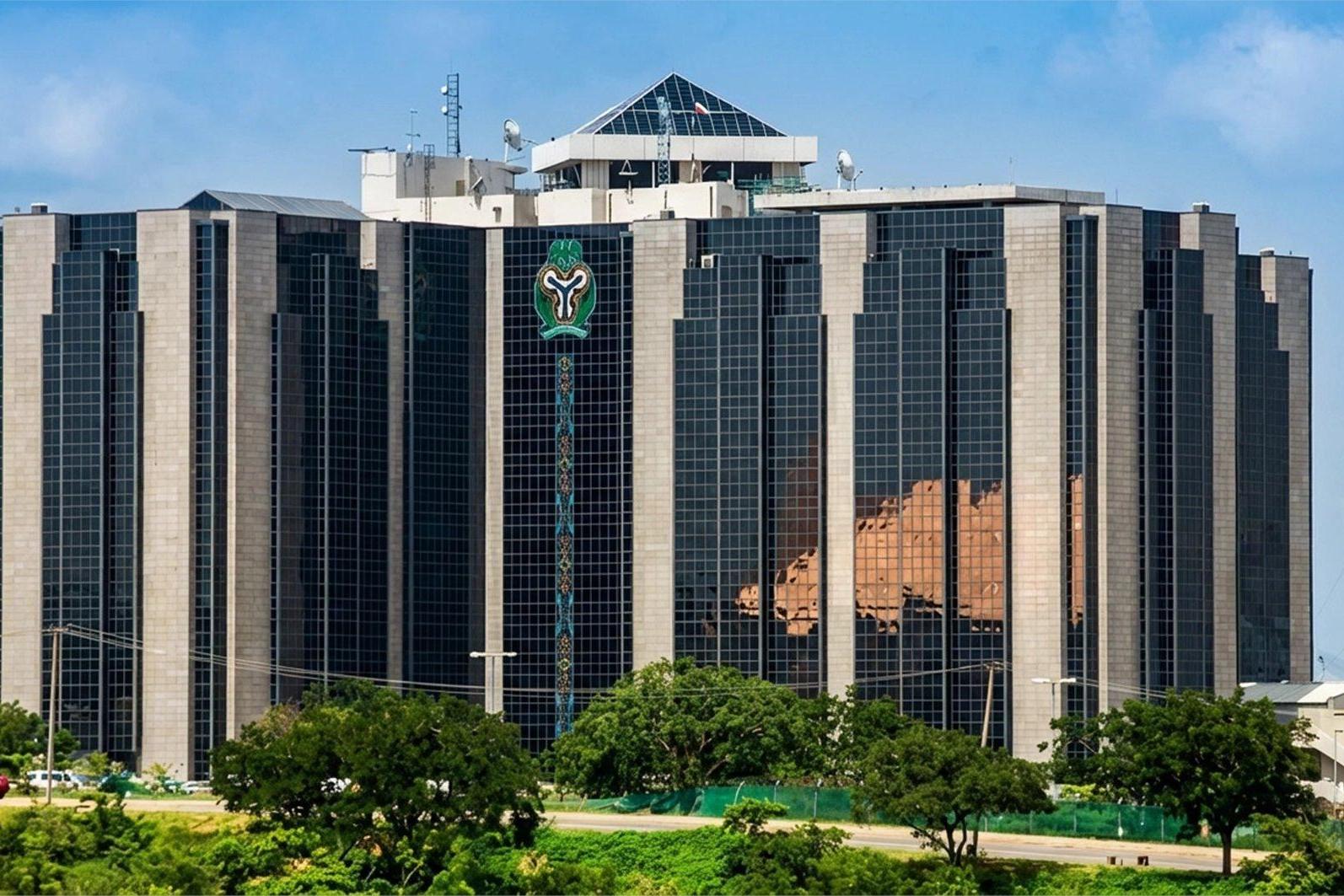
According to the Central Bank of Nigeria's second-quarter economic report, the increase was driven principally by foreign purchases of long-term government debt securities.
The development represents a significant improvement in foreign investors' participation in Nigeria's financial markets. Portfolio investment was more than six times the $1.15bn recorded in foreign direct investment during the same period.
Foreign direct investment also increased by 11.7 per cent from $1.03bn in the first quarter.
Despite the improvement, Nigeria's total foreign exchange inflows declined by 4.24 per cent to $30.03bn from $31.36bn.
The disparity between portfolio investment and foreign direct investment presents an important consideration for policymakers.
Portfolio investments can provide immediate liquidity, support government securities markets and improve foreign exchange availability. However, such capital is generally more sensitive to interest rates, exchange-rate expectations and changes in investor confidence.
Foreign direct investment, on the other hand, typically involves longer-term commitments to productive enterprises, manufacturing, infrastructure and other economic activities capable of generating employment and expanding domestic production.
Consequently, the challenge before Nigeria is not simply attracting foreign capital but ensuring that the improving investment climate encourages more sustainable investment in productive sectors.
The Federal Government's borrowing plans also reflect the enormous financing requirements facing the economy.
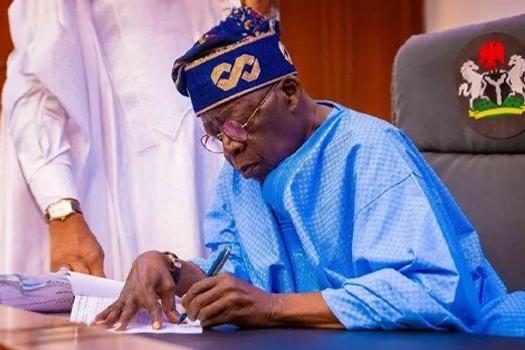
President Bola Tinubu has requested National Assembly approval for a supplementary external borrowing plan of $20.52bn and €1.045bn covering 2026 and 2027.
The proposed financing is intended to support infrastructure and development priorities, including electricity, transportation, healthcare, education, agriculture, water supply and national security.
The Senate has referred the request to its Committee on Local and Foreign Debts for examination. The request does not constitute approval to raise the funds.
While infrastructure investment remains essential to economic development, the scale of the proposed borrowing reinforces the importance of responsible debt management, transparent procurement and effective project implementation.
Nigeria must ensure that borrowed funds finance projects capable of generating economic returns rather than creating additional fiscal obligations without corresponding improvements in productivity.
Power Sector Debt Settlement Offers Hope For Electricity Supply
Another significant development in Nigeria is the Federal Government's payment of N1.2tn out of the N2.3tn owed to electricity operators.
The payment is intended to ease liquidity constraints affecting electricity generation companies and gas suppliers.
The outstanding debt has contributed to financial pressures across the electricity value chain, limiting the capacity of operators to meet their obligations and sustain investment.
Approximately N1.1tn remains outstanding.
The government is also pursuing an expansion of electricity transmission capacity from approximately 5,000 megawatts to more than 19,000 megawatts.
The Federal Executive Council has approved three transmission projects, including the upgrading of the Katampe substation, the provision of transformers for the Egbin substation and the reconstruction of a 35.6-kilometre transmission line along the Shagamu axis.
These interventions are important because Nigeria's electricity challenge extends beyond installed generation capacity. Transmission and distribution limitations have historically prevented the country from delivering available electricity efficiently to consumers.
The success of the government's intervention will therefore depend on whether debt settlement is accompanied by improved infrastructure, operational efficiency and financial sustainability across the electricity market.
Development Finance Targets Nigeria's Creative Economy
Nigeria's creative industry has also received a significant financing boost following a $30m credit facility signed by the Bank of Industry and Agence Française de Développement.
The facility will support businesses operating in music, film, fashion, design and gaming.
At least 90 per cent of the financing is earmarked for micro, small and medium-sized enterprises, with priority given to women-led and youth-led businesses.
An additional €500,000 technical assistance component will strengthen the Bank of Industry's capacity to support creative businesses.
The initiative recognises the economic potential of Nigeria's creative economy, particularly its ability to generate employment, attract international attention and create export opportunities.
Nevertheless, the facility's impact will depend on transparent disbursement arrangements, accessible lending conditions and the ability of beneficiaries to build commercially sustainable enterprises.
Ghana Confronts Trade Imbalance Despite Higher Oil Revenue
In Ghana, developments reflect the contrasting fortunes of an economy benefiting from higher petroleum earnings while confronting a deteriorating merchandise trade surplus.
The country's oil revenue increased by 51.6 per cent to $561.4m in the first half of 2026, compared with $370.3m in the corresponding period of 2025.
The increase was supported by higher crude oil prices and a 37 per cent rise in corporate income tax receipts.
Oil production also increased by 11.73 per cent to 20.58 million barrels from 18.42 million barrels.
However, Ghana's merchandise trade surplus declined by approximately 70 per cent, falling from $4.3bn in the first quarter to $1.3bn in the second quarter.
The country's import bill increased by 47.5 per cent to GH¢94.7bn, while export revenue declined by 1.6 per cent to GH¢108.5bn.
Imports from China contributed significantly to the increase.
The development highlights a structural challenge confronting Ghana: expanding domestic production and processed-goods exports to reduce dependence on imported products.
Meanwhile, Ghana has taken an important step towards improving access to trade finance by becoming the first of 26 countries to sign the United Nations Convention on Negotiable Cargo Documents, also known as the Accra Convention.
The agreement establishes a framework for goods transported by road, rail, air and sea to be traded while in transit and used as collateral for financing.
With Africa's trade finance gap estimated at between $74bn and $92bn in 2024, the convention could improve access to financing for small businesses.
However, it will enter into force only 180 days after the tenth ratification.
East Africa: Currency Pressures Force Monetary Tightening
Uganda has adopted a more aggressive monetary policy approach in response to pressure on its currency and rising inflation.
The Bank of Uganda increased its Central Bank Rate by 225 basis points, from 9.75 per cent to 12 per cent.
It also raised commercial banks' cash reserve requirement from 11 per cent to 13.5 per cent.
The decisions followed a significant depreciation of the Ugandan shilling, which weakened from approximately 3,604 per dollar in March to nearly 4,500 in late October.
Annual inflation increased to 4.6 per cent in September from 4.1 per cent in August.
Although higher interest rates could help support the currency and contain inflationary pressures, they also risk increasing borrowing costs for businesses and households.
Uganda's average commercial bank lending rate had already reached 17.9 per cent in August.
Namibia has also tightened monetary policy, raising its repo rate by 25 basis points to seven per cent in response to rising fuel prices and concerns about maintaining the stability of its currency peg to the South African rand.
Inflation reached 5.4 per cent in September, its highest level since January 2024.
The monetary decisions in both countries demonstrate how African central banks are balancing exchange-rate stability, inflation control and economic growth.
Africa's Energy Transition Faces Infrastructure Constraints
Energy investment remains another major feature of the continent's economic outlook.
Egypt has signed a preliminary financing agreement for a $650m solar power project involving Norway's Scatec and three multilateral development institutions: the European Investment Bank, the European Bank for Reconstruction and Development and the African Development Bank.
The Dandara project in Qena will have a generation capacity of one gigawatt and battery storage capacity of 200 megawatt-hours.
It is expected to supply approximately one-third of Egypt Aluminium's electricity requirements.
The project supports Egypt's ambition to increase renewable energy's contribution to its electricity mix to 42 per cent by 2030.
In contrast, South Africa's first gas-to-power tender closed without a preferred bidder after none of the four proposals provided adequate assurances of gas supply.
The tender had targeted 2,000 megawatts of electricity generation.
The setback exposes the difficulties associated with developing energy infrastructure without securing reliable fuel supplies and supporting import facilities.
Meanwhile, Tanzania announced a discovery of approximately 223 billion cubic feet of natural gas at the Mnazi Bay field, its first discovery in more than a decade.
The development could strengthen domestic gas supply and attract additional investment, although commercial production will depend on further assessment and financing.
Benin, Togo And Zambia Pursue Economic Diversification
Benin has secured $37.1m in financing from the International Fund for Agricultural Development to support rural businesses through vocational training, financing, insurance and business advisory services.
The broader programme is valued at $149.1m and targets approximately 50,000 rural households, with young people expected to constitute 60 per cent of participants.
The initiative aims to create 21,000 youth jobs by 2033, particularly in agriculture, aquaculture and poultry production.
Benin has also strengthened its economic relationship with the United Arab Emirates through a Comprehensive Economic Partnership Agreement.
Bilateral non-oil trade between both countries reached $2.15bn in 2025, representing a 65 per cent increase from 2024.
However, the agreement's tariff concessions will become effective only after ratification.
Elsewhere, Zambia has launched its first domestic gold refinery, seeking to increase local mineral processing and reduce its heavy dependence on copper exports.
The refinery can process gold to approximately 99 per cent purity.
Its commercial success, however, will depend on securing sufficient supplies from domestic miners and formalising artisanal gold production.
Southern Africa's Economic Reforms And Financing Challenges
South Africa's economy has been revised upwards by 5.3 per cent following the rebasing of its gross domestic product to 2022 prices from the previous 2015 base year.
The revision increased nominal GDP for 2025 to R8.04tn from R7.64tn.
The exercise incorporated previously undermeasured economic activities, including own electricity generation, illicit mining and e-hailing services.
Although the revision improves the statistical measurement of the economy and could reduce the country's debt-to-GDP ratio, it does not represent an actual increase in economic output or a reduction in outstanding debt.
Zimbabwe recorded an increase in corporate income tax collections of 83 per cent to ZiG18.9bn in the first half of 2026.
However, only 33 per cent of surveyed businesses invested in machinery and other assets, highlighting the difference between improved tax receipts and the strength of productive investment.
Mozambique, meanwhile, has signed an agreement with China to restructure its public debt, adjusting repayment schedules to reflect its financial capacity.
The arrangement could provide short-term fiscal relief and create additional room for infrastructure and public services.
The Bigger Picture: Investment Must Translate Into Productivity
The developments across Africa reveal an important economic reality: the continent is attracting financing opportunities and pursuing reforms, but the ability to convert these initiatives into sustainable economic growth remains uneven.
Nigeria's impressive portfolio investment inflows demonstrate renewed foreign interest in its financial markets. However, the relatively modest level of foreign direct investment raises questions about the pace of investment in productive industries.
Similarly, Ghana's higher oil revenue has not prevented a substantial deterioration in its trade surplus, while Uganda and Namibia are tightening monetary policies to protect currency stability and contain inflation.
Across the continent, governments are also recognising the importance of infrastructure, renewable energy, agricultural financing, digital payments and regional trade integration.
The challenge is implementation.
For Nigeria, the immediate priorities include converting portfolio inflows into productive investment, ensuring that proposed external borrowing delivers measurable economic returns and completing the settlement of outstanding electricity-sector debts.
The Federal Government must also ensure that its creative economy financing initiative reaches viable businesses capable of generating employment and export earnings.
At the continental level, improved regional trade arrangements, stronger domestic manufacturing, efficient transport infrastructure and accessible financing for small businesses will be critical to reducing Africa's dependence on imported goods and external capital.
Ultimately, Africa's economic progress will not be measured by the volume of loans secured, investment announcements made or agreements signed. It will be determined by the extent to which these initiatives expand production, create jobs, improve living standards and strengthen the resilience of national economies.
The continent has demonstrated a growing willingness to pursue economic reforms. The next test is whether governments can translate those commitments into tangible benefits for businesses and ordinary citizens.