PublicSphere Live
Energy
Hormuz Tensions, Attacks On Oil Infrastructure Keep Crude Prices Above $116 As Global Energy Crisis Deepens
For Nigeria, the situation presents both a potential revenue windfall and a significant economic dilemma.
- The renewed rise in international oil prices following an attack on a tanker in the Strait of Hormuz underscores the fragility of global energy security and the enormous economic consequences of the prolonged US-Israel war on Iran. With critical oil infrastructure in the Gulf increasingly exposed to military threats, the prospect of sustained high energy prices presents fresh challenges for oil-importing economies, threatens inflationary stability and raises important questions about the future of the global petroleum market. For Nigeria, the situation presents both a potential revenue windfall and a significant economic dilemma.
The international oil market is once again confronting the uncomfortable reality that geopolitical instability can be just as powerful as production cuts in determining the direction of crude oil prices. The latest attack on a tanker navigating the Strait of Hormuz has reinforced concerns that the Middle East conflict could develop into a prolonged disruption of global energy supplies, with consequences extending far beyond the immediate theatre of hostilities.
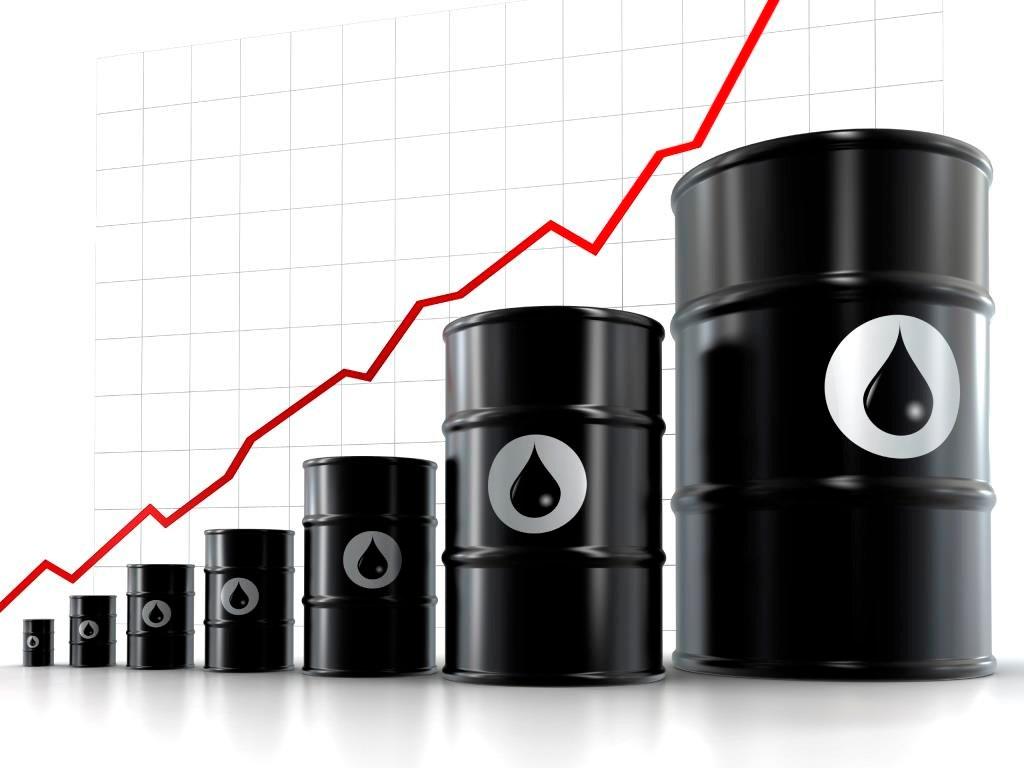
Brent crude futures rose by $1.20, representing a 1.04 per cent increase, to $116.08 per barrel on Friday morning, while United States West Texas Intermediate (WTI) gained $1.37, or 1.34 per cent, to reach $103.37 per barrel.
Although the percentage increases may appear moderate, the significance of the rally lies in the circumstances driving it. Oil prices are not responding merely to an isolated maritime security incident. Rather, the market is incorporating a growing possibility that the conflict involving the United States, Israel and Iran could undermine the security of one of the world's most important energy transportation corridors.
The distinction is important. Markets can absorb temporary disruptions when alternative supplies and transportation arrangements remain available. They become considerably more nervous when the security of the infrastructure through which a substantial proportion of global petroleum supplies must pass is threatened.
Hormuz: The Strategic Chokepoint Of Global Energy Security
The Strait of Hormuz remains central to the current oil market anxiety. Its importance is difficult to overstate because it provides the principal maritime passage connecting major Gulf oil-producing countries to international markets.
Saudi Arabia, Iraq, Kuwait, the United Arab Emirates and Iran depend, to varying degrees, on this strategic waterway for petroleum exports. Consequently, any serious interruption to shipping through the strait could affect crude oil, refined petroleum products, liquefied petroleum gas and other energy commodities.
The attack on a tanker using explosive devices attached by a small boat, as reported by the United Kingdom Maritime Trade Operations Centre, therefore carries implications beyond the vessel itself.
Even without confirmation of the attackers' identity, the incident demonstrates how relatively inexpensive and unconventional methods of warfare can create disproportionate economic consequences. A small maritime operation can raise insurance premiums, increase shipping costs, force vessels to reconsider their routes and make international energy companies more cautious about exposing personnel and assets to security threats.
More importantly, the uncertainty surrounding responsibility for the attack creates an additional complication. Without a clear understanding of the perpetrators and their objectives, shipping operators cannot confidently assess whether the incident represents an isolated act or part of a wider campaign against commercial maritime traffic.
For the oil market, uncertainty itself has become a premium.
Investors and commodity traders are increasingly pricing in the possibility of further attacks, retaliation and a deterioration of the diplomatic environment. This explains why crude prices can remain elevated even when there has been no confirmed reduction in actual global production.
The Expanding Conflict And The Threat To Saudi Oil Infrastructure
The reported Houthi attacks on Saudi Arabia have introduced another troubling dimension to the crisis.
The group's claims that it targeted the Ras Tanura refinery, the Rabigh refinery and an oil production facility at Abqaiq are particularly significant because these facilities occupy important positions in Saudi Arabia's petroleum industry.
Saudi Aramco's Abqaiq processing facility is especially strategic. Its importance to the treatment and processing of crude oil means that any serious disruption could have implications for the kingdom's ability to maintain export flows.
The significance of the reported attacks is therefore not simply that another country in the region has been drawn into the security crisis. It is that the conflict is increasingly threatening the physical infrastructure responsible for converting oil production into internationally marketable supplies.
This is a dangerous development for the global petroleum market.
There is a fundamental difference between a threat to oil transportation and a threat to production and processing infrastructure. While transportation disruptions can sometimes be mitigated through alternative routes, damage to major processing facilities can take considerable time and resources to repair.
The market must consequently consider two separate but interconnected risks: the possibility that available oil cannot be transported safely and the possibility that oil cannot be produced or processed at the required volumes.
If both risks materialise simultaneously, the consequences could be considerably more severe than the current price movements suggest.
An important qualification, however, is necessary. The Houthi claims of successful attacks on the Saudi facilities had not been independently corroborated, and Saudi authorities had not confirmed the extent of any damage. The distinction between an announced attack, an intercepted missile and actual damage to production or export capacity is crucial when assessing the physical supply implications. Nevertheless, the market cannot entirely disregard such threats, particularly when they are accompanied by confirmed maritime incidents.
Diplomacy Under Pressure: The Market Is Waiting For A Breakthrough
The diplomatic dimension of the conflict presents perhaps the most consequential uncertainty for oil prices over the coming weeks.
President Donald Trump's disclosure that Vice-President JD Vance had contacted Iran over medical supplies, alongside reports that a letter had been delivered to Tehran's senior security establishment to revive peace negotiations, suggests that Washington has not entirely abandoned diplomatic engagement.
However, humanitarian communication and substantive negotiations over the termination of hostilities are two different things.
The fact that Iran had received the letter but had not responded illustrates the fragile nature of the diplomatic process. Neither side appears to have demonstrated sufficient willingness to make the concessions necessary for a sustainable settlement.
For the petroleum market, the central question is not simply whether Washington and Tehran are communicating. It is whether such communication can produce an enforceable understanding that restores confidence in maritime security, protects energy infrastructure and allows commercial shipping to operate without extraordinary military and insurance risks.
Until that happens, diplomatic overtures may produce temporary optimism without fundamentally changing the market's risk assessment.
Indeed, the oil market is particularly sensitive to the difference between a ceasefire announcement and a durable peace agreement. A temporary cessation of hostilities might encourage some shipping companies to resume operations, but insurers and energy traders would require evidence of sustained security before removing the risk premium embedded in crude prices.
The withdrawal of ExxonMobil and Chevron executives from their planned attendance at the United Arab Emirates' major oil industry gathering is another indication of how seriously international energy companies are treating the security situation.
These companies are not merely trading oil. They manage enormous investments, employ thousands of people and operate infrastructure whose safety is fundamental to their profitability.
When senior executives reconsider travel to a major industry gathering because of regional insecurity, it sends an unmistakable signal about the deteriorating business environment. It also raises questions about investment decisions, project execution, regional partnerships and the willingness of international companies to commit additional capital to exposed energy assets.
Europe's Emergency Reserves: Relief, Not A Permanent Solution
Europe's decision to release 42 million barrels of emergency oil stocks over three months represents an important intervention in the effort to moderate energy prices.
Approximately half of the planned release consists of diesel, reflecting the particular pressure facing the European middle-distillate market.
The decision is economically understandable. Diesel is essential to road transportation, agriculture, construction, manufacturing and the distribution of consumer goods. A prolonged increase in its price can quickly spread through the broader economy, raising the cost of production and transportation.
However, the release of strategic reserves should not be mistaken for a solution to the underlying supply problem.
Emergency stocks are designed to provide temporary protection against unexpected disruptions. They cannot indefinitely compensate for a sustained shortage of imported petroleum products or insufficient refinery capacity.
Europe's dependence on imported fuel makes the situation particularly complicated. Even when crude oil is available internationally, inadequate domestic refining capacity can leave the continent exposed to shortages of finished petroleum products.
The planned release may therefore moderate immediate pressure, but it cannot eliminate the structural vulnerabilities of the European energy system.
There is also a longer-term concern. If governments repeatedly draw down emergency reserves to suppress market prices without resolving the supply constraints responsible for the increases, they risk weakening their future capacity to respond to another major disruption.
The European intervention should consequently be understood as a temporary stabilisation measure rather than a substitute for secure supply arrangements, refinery investment and diversified energy procurement.
Why Oil Prices Could Remain Volatile
The outlook for international crude oil prices is increasingly determined by three interconnected factors: the duration of the Middle East conflict, the security of maritime transportation and the effectiveness of diplomatic initiatives.
The immediate concern is whether the attacks on commercial vessels and oil infrastructure will intensify.
If the Strait of Hormuz becomes even more difficult to navigate, the consequences could extend beyond the Gulf region. Shipping companies would face higher insurance premiums, longer delivery schedules and potentially more expensive freight arrangements. Refineries dependent on Gulf crude would have to seek alternative supplies, intensifying competition for available cargoes.
This would create a chain reaction across the international petroleum market.
Asian economies, particularly major oil-importing countries, would face increased procurement costs. European refiners would compete for alternative crude and petroleum products. Developing economies with limited foreign-exchange reserves would encounter additional pressure in financing energy imports.
The second factor is the possibility of further attacks on Saudi Arabia's petroleum infrastructure. Saudi Arabia is one of the world's most consequential oil producers, and any substantial reduction in its production or export capacity would have implications for global supply balances.
The third factor is political uncertainty in the United States and Israel. As the report observes, the approaching Israeli parliamentary election and American midterm congressional vote could influence the political calculations surrounding the conflict.
However, the relationship between electoral politics and military decisions should not be overstated. Elections may influence political incentives, diplomatic positioning and public messaging, but they do not automatically determine whether hostilities will escalate or subside.
For investors, the more important consideration is whether political developments will produce a credible diplomatic settlement or prolong uncertainty.
The oil market is therefore likely to remain sensitive to military developments, shipping security reports, diplomatic statements and verified evidence of changes in actual production and export volumes.
Nigeria: The Double-Edged Opportunity Of Higher Oil Prices
For Nigeria, the latest increase in international crude oil prices presents an economic opportunity that must be approached with considerable caution.
As an oil-producing country whose public finances remain heavily influenced by petroleum revenues, Nigeria stands to benefit from higher crude prices through increased export earnings, improved foreign-exchange inflows and potentially stronger government revenue.
At $116.08 per barrel, Brent crude is substantially above the benchmark price of $64.85 per barrel contained in Nigeria's 2026 federal budget. The difference creates the possibility of additional revenue, provided Nigeria can sustain production, meet its export commitments and effectively capture the benefits of the prevailing international price environment.
This is particularly important at a time when the Federal Government requires substantial resources to finance infrastructure, meet recurrent expenditure, service public debt and support economic development.
Higher oil prices could also strengthen Nigeria's external reserves, improve foreign-exchange liquidity and provide additional fiscal space for the government.
However, there is a fundamental distinction between benefiting from high international prices and possessing the domestic production capacity to translate those prices into national prosperity.
Nigeria's longstanding petroleum-sector challenges remain relevant. Oil theft, pipeline vandalism, production disruptions, underinvestment, operational inefficiencies and the enormous cost of maintaining oil infrastructure have historically prevented the country from fully exploiting favourable international market conditions.
Consequently, an increase in Brent crude prices does not automatically translate into a corresponding increase in government revenue.
What matters is the volume of crude Nigeria actually produces and exports, the price realised, the cost of production and the amount ultimately remitted to the Federation Account.
Nigeria must therefore resist the temptation to regard the present oil rally as an opportunity for additional borrowing or indiscriminate expenditure.
A temporary geopolitical premium cannot provide a dependable foundation for long-term fiscal planning. If the conflict subsides and shipping security improves, oil prices could retreat considerably.
The country should instead use any additional petroleum revenue to strengthen fiscal buffers, reduce borrowing pressures, improve infrastructure and accelerate economic diversification.
There is also a less favourable side to the current development.
Nigeria imports significant quantities of refined petroleum products, and higher international oil prices can increase the cost of importing refined fuels, even as domestic crude exporters benefit from improved prices.
Although the Dangote Petroleum Refinery has substantially altered Nigeria's domestic refining landscape, the relationship between international crude prices, domestic petroleum pricing, foreign-exchange costs and refinery economics remains important.
Higher crude prices can increase the refinery's feedstock costs and influence the prices of petroleum products, with consequences for transportation, manufacturing, agriculture and household expenditure.
This creates a potentially uncomfortable situation in which Nigeria earns more from crude exports but consumers and businesses face higher energy-related costs.
The government must therefore carefully manage the fiscal benefits of higher oil prices while strengthening domestic energy security and ensuring that increased petroleum earnings translate into tangible improvements in citizens' living conditions.
The Larger Lesson: Energy Security Is National Security
The unfolding crisis offers an important lesson about the vulnerability of the global economy to geopolitical conflicts.
For decades, the international petroleum industry has operated on the assumption that global energy supplies could be transported through established maritime corridors with a reasonable degree of predictability. The present conflict demonstrates how quickly that assumption can be undermined.
It also exposes the limitations of relying excessively on a small number of strategically important production centres and transportation routes.
Countries that depend heavily on imported energy are particularly vulnerable because they have limited control over the geopolitical circumstances determining the availability and cost of their supplies.
This is why investment in alternative energy sources, strategic petroleum reserves, domestic refining capacity, diversified supply arrangements and resilient transportation infrastructure has become increasingly important.
For Nigeria, the lesson extends beyond the immediate possibility of earning additional revenue from expensive crude oil.
The country must recognise that its long-term economic security depends on building an energy industry capable of serving domestic requirements while maintaining a competitive position in international markets.
The development of the Dangote Refinery, the rehabilitation of government-owned refineries where economically viable, improved gas infrastructure and greater investment in renewable energy should form part of a coherent national energy strategy.
Nigeria should also strengthen its maritime security capabilities, particularly around the Gulf of Guinea, where piracy, crude theft and other maritime crimes have historically threatened commercial shipping.
A country seeking to become a major regional energy supplier must demonstrate that its petroleum infrastructure, export terminals and shipping routes can operate securely and efficiently.
Conclusion: The Price Of Crude Is Also The Price Of Uncertainty
The rise of Brent crude to $116.08 per barrel is more than another movement in the international commodities market. It is a reflection of the growing anxiety surrounding the future of global energy supplies.
The tanker attack in the Strait of Hormuz, the reported Houthi operations against Saudi oil infrastructure, the uncertainty surrounding diplomatic engagement between Washington and Tehran and the cautious response of international energy companies all reinforce the perception that the crisis is far from over.
Yet the trajectory of oil prices will ultimately depend on whether the conflict produces sustained damage to production and transportation infrastructure or whether diplomatic intervention can restore confidence in the security of global energy supplies.
The release of emergency reserves by European governments may provide temporary relief, but it cannot substitute for the restoration of normal commercial shipping and stable petroleum production.
For Nigeria, the situation is a reminder that favourable oil prices can provide valuable economic opportunities but cannot compensate indefinitely for weaknesses in domestic production, fiscal management and economic diversification.
The country must approach the present windfall with discipline, foresight and a clear development strategy.
Ultimately, the greatest danger confronting the international oil market is not simply that crude prices may rise beyond $116 per barrel. It is that an increasingly prolonged conflict could transform temporary supply anxieties into a structural energy crisis, with devastating consequences for economic growth, inflation, international trade and the welfare of millions of people.
The world needs a diplomatic breakthrough, not another escalation. And Nigeria, like other developing economies, needs an energy market in which prosperity is determined by productive capacity and economic competitiveness rather than the unpredictable fortunes of war.