PublicSphere Live
Politics
2027: Kwara PDP, APC Will Vote for Tinubu, Says AbdulRazaq
AbdulRazaq made the declaration during a visit by Senator Abdulaziz Yari, Director-General of Tinubu’s presidential campaign, to the Kwara State Government House.
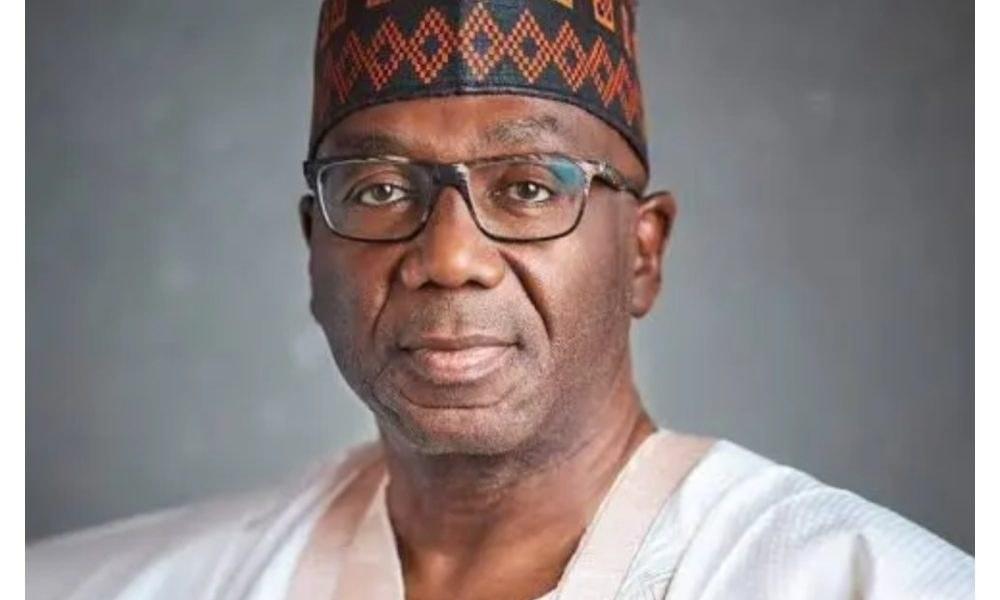
Kwara State Governor, AbdulRahman AbdulRazaq, has declared that members of the All Progressives Congress (APC) and the Peoples Democratic Party (PDP) in the state will support President Bola Tinubu’s re-election bid in 2027, attributing the development partly to the influence of the Minister of the Federal Capital Territory, Nyesom Wike.
AbdulRazaq made the declaration during a visit by Senator Abdulaziz Yari, Director-General of Tinubu’s presidential campaign, to the Kwara State Government House.
The governor, who described the APC as the dominant political party in the state, estimated its strength at 70 per cent, while putting the PDP’s share at 30 per cent.
He argued that Wike’s support for Tinubu had brought the two major political parties in the state together behind the President’s second-term ambition.
“APC is 70 percent in Kwara State, while PDP is 30 percent,” AbdulRazaq said.
He added that Wike’s involvement in the APC presidential campaign and his declaration of support for Tinubu had strengthened the President’s political standing in the state.
“Now, with the National Leader of the PDP, Nyesom Wike, being a member of the APC presidential campaign and declaring support for President Tinubu, it means that the 30 percent of PDP plus our 70 percent is together for President Tinubu.
“This means it will be one of the easiest states because the two main parties are voting for President Tinubu,” the governor said.
Wike, a former governor of Rivers State, has maintained a political relationship with the Tinubu administration despite his membership of the PDP. His appointment as FCT minister has also placed him at the centre of the political realignments ahead of the 2027 general election.
His position has generated debate within the opposition, particularly over the implications of his support for Tinubu for the PDP’s ability to mobilise against the ruling APC.
AbdulRazaq’s comments suggest that the Kwara governor expects Wike’s political influence to extend beyond Rivers State and shape the contest for presidential votes in other parts of the country.
However, the governor’s assessment of the voting intentions of APC and PDP members represents his political claim rather than an independently established measure of voter preference. Party membership and elite endorsements do not necessarily translate into uniform voting decisions at the ballot box.
The 2027 presidential election is expected to test the strength of party structures, political alliances and candidates’ ability to persuade voters amid continuing public concerns about the economy, living costs, employment and governance.
For the APC, securing support across party lines could form part of its strategy to consolidate its position ahead of the election. For opposition parties, the challenge will be to maintain internal cohesion and convince voters that they offer credible alternatives.
AbdulRazaq’s declaration therefore places Kwara among the states whose political alignments will attract attention as campaigning intensifies. Whether the support he anticipates will translate into votes for Tinubu will ultimately be determined by voters at the polls.