PublicSphere Live
Features
Nigeria’s Jollof Rice: Building a Distinctive Brand for UNESCO Intangible Cultural Heritage Recognition
ICH encompasses practices, knowledge, skills, expressions and traditions that communities recognise as part of their cultural heritage. These may include oral traditions, performing arts, social practices, festive events, traditional craftsmanship and knowledge concerning nature...
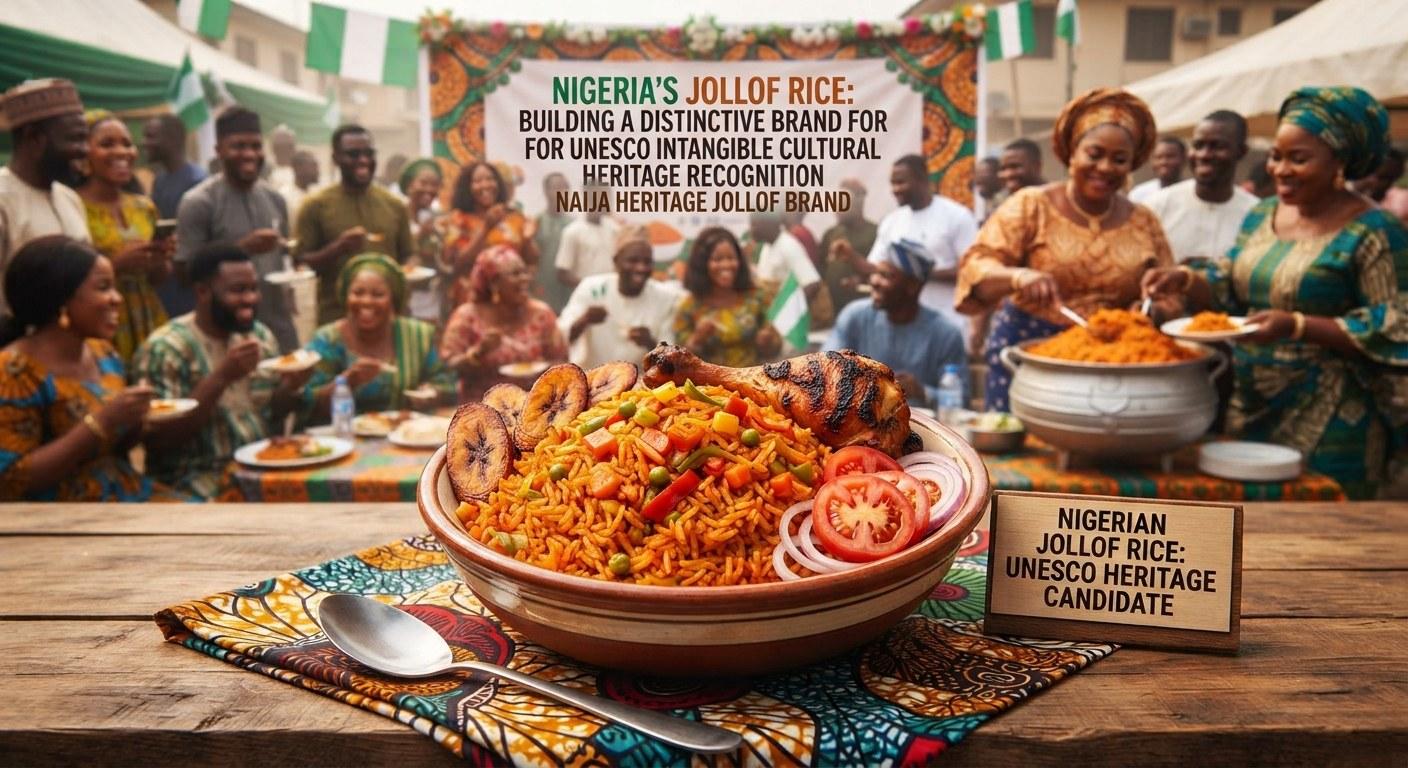
The international recognition of Senegal's ceebu jën does not automatically prevent Nigeria from documenting its own jollof rice traditions. Nor should Nigeria's campaign be founded on disputing Senegal's inscription. The more productive approach is to demonstrate what is culturally distinctive about Nigerian jollof rice, how it developed, how communities prepare and share it, and what knowledge and social practices have sustained it across generations. Nigeria candevelop Naija Heritage Jollof brand.
Nigeria is a country of extraordinary cultural diversity, with more than 250 ethnic groups whose traditions, languages, beliefs, artistic expressions and culinary practices combine to create one of the richest cultural landscapes in Africa. From the elaborate ceremonies of the Yoruba to the distinctive cuisines of the Hausa, Igbo, Efik, Tiv, Ijaw and numerous other communities, Nigerian culture is a living expression of the country's history, identity and social relationships. Food occupies a particularly important place in this cultural inheritance because it does more than satisfy hunger; it tells stories about ancestry, migration, agriculture, hospitality, celebration and the values that bind communities together.
Among the dishes that have transcended ethnic, religious and geographical boundaries to become part of Nigeria's national identity is jollof rice. Served at weddings, birthdays, funerals, festivals, religious celebrations, political gatherings and family reunions, jollof rice has become one of the country's most recognisable culinary symbols. It is enjoyed by people across social classes, prepared in homes and restaurants, sold by roadside food vendors and served in some of the country's most prestigious hotels.
Yet, despite its extraordinary popularity and its growing international appeal, an important question confronts Nigeria's cultural policymakers, culinary professionals, researchers and tourism promoters: can Nigeria develop a distinctive jollof rice identity that can be documented and presented for recognition under the United Nations Educational, Scientific and Cultural Organisation's (UNESCO) Intangible Cultural Heritage (ICH) framework?
The question is timely, particularly as the international recognition of food traditions increasingly offers countries opportunities to promote cultural identity, tourism, creative enterprise and national reputation. Nigeria should not approach the matter simply as another round in the familiar rivalry between Nigerian and Ghanaian jollof rice. It should instead consider how the country's culinary traditions can be researched, documented, protected and promoted as part of its living cultural heritage.
The objective should be to establish a Nigerian jollof rice brand that is distinctive, culturally authentic, widely understood and capable of gaining international recognition.
The UNESCO Question: Beyond The Jollof Rivalry
The first step towards achieving this objective is to understand what UNESCO's Intangible Cultural Heritage framework seeks to protect.
ICH encompasses practices, knowledge, skills, expressions and traditions that communities recognise as part of their cultural heritage. These may include oral traditions, performing arts, social practices, festive events, traditional craftsmanship and knowledge concerning nature, agriculture and food.
Recognition is not simply an award for the most popular dish or a declaration that one country makes a particular food better than another. It involves demonstrating that a cultural practice has significance to the communities concerned, is transmitted across generations and remains a living part of their identity.
Senegal has a strong historical and cultural association with jollof rice, known locally as ceebu jën, particularly the traditional rice-and-fish dish associated with Saint-Louis. UNESCO inscribed the culinary art of ceebu jën on its Representative List of the Intangible Cultural Heritage of Humanity in 2021. That inscription recognises a specific Senegalese culinary tradition, rather than granting Senegal exclusive ownership of every dish known internationally as jollof rice.
This distinction is important for Nigeria. The international recognition of Senegal's ceebu jën does not automatically prevent Nigeria from documenting its own jollof rice traditions. Nor should Nigeria's campaign be founded on disputing Senegal's inscription. The more productive approach is to demonstrate what is culturally distinctive about Nigerian jollof rice, how it developed, how communities prepare and share it, and what knowledge and social practices have sustained it across generations.
The claim that The Gambia has documented its own jollof tradition should also be examined against official UNESCO records and the relevant national heritage documentation. Nigeria must establish the precise status of competing or related nominations rather than rely on social media discussions or popular interpretations of UNESCO decisions.
Ultimately, Nigeria needs evidence, not merely enthusiasm.
The Proposed Brand: Naija Heritage Jollof
Nigeria should consider developing a national culinary heritage identity under the name Naija Heritage Jollof, with the descriptive designation Nigeria's Living Jollof Rice Tradition.
The name is deliberately broader than any single recipe. It would represent a documented Nigerian culinary tradition, incorporating the techniques, ingredients, regional adaptations, social customs and cultural knowledge through which jollof rice has become an enduring national dish.
The brand would not imply that every Nigerian must cook jollof rice in exactly the same way. Such uniformity would be unrealistic and culturally counterproductive in a country whose strength lies partly in its diversity. Instead, the national identity would provide an umbrella under which distinctive regional styles could be documented and celebrated.
For example, Lagos-style party jollof could be studied for its preparation in large cooking pots, the development of its characteristic smoky flavour and its association with celebrations. Northern Nigerian adaptations could be documented for their use of local ingredients, spices and regional food traditions. Coastal communities could contribute knowledge about seafood, while other communities could demonstrate the use of locally cultivated rice, peppers, tomatoes and traditional cooking techniques.
These examples would have to be verified through field research rather than assumed to be exclusive characteristics of particular regions.
The central idea is that Nigeria should not attempt to erase regional differences in order to create a national brand. It should make those differences part of the brand's appeal.
A possible slogan would be: “One Nigeria, Many Flavours, One Heritage.”
This would communicate the idea that Nigerian jollof rice represents a shared culinary identity without denying the diversity of the people who prepare it.
Before adopting the name commercially, the relevant authorities should conduct trademark and name-availability searches. The brand should also be distinguished from any eventual UNESCO inscription: a national brand is a promotional and quality-assurance initiative, whereas UNESCO recognition is a separate cultural heritage process.
Discovering What Makes Nigerian Jollof Distinctive
The most important question is what precisely would make Naija Heritage Jollof recognisably Nigerian.
The answer cannot rest on the colour of the rice alone. Nor can it depend entirely on claims that Nigerian jollof is tastier than its West African competitors. Taste is subjective, and other countries have their own compelling culinary traditions.
Nigeria must identify the combination of culinary techniques, ingredients, cultural practices and social meanings that distinguish its jollof traditions.
One possible starting point is the Nigerian approach to party jollof. Across many parts of the country, jollof rice prepared for large gatherings is valued for its rich seasoning, carefully developed tomato-and-pepper base, texture and distinctive flavour. In some preparations, the rice acquires a smoky character from the cooking process. This association with celebrations and communal dining could form an important strand of the documentation.
However, Nigerian jollof is not a single standardised recipe. The ingredients, quantities, cooking equipment and preparation methods vary among households, professional cooks and regions. The documentation process should establish which characteristics are widespread, which are regional, and which are particular to individual culinary practitioners.
Researchers should investigate the history of the dish in Nigeria, including the evolution of household recipes, the emergence of professional party caterers, the influence of urbanisation, the development of food vending and the transmission of cooking knowledge between generations.
They should record the experiences of older women and men who have prepared jollof rice for decades, as well as chefs, caterers, farmers, food historians and restaurant owners. Their testimonies could reveal how ingredients and techniques have changed over time and how the dish has adapted to changing economic circumstances.
The result should be a credible cultural record, not an advertising brochure.
Documenting The Culture Behind The Food
For UNESCO purposes, the most valuable story may extend beyond the finished plate to the social relationships surrounding its preparation and consumption.
In many Nigerian communities, food preparation is a collaborative activity. Relatives and neighbours gather to cook for weddings, naming ceremonies, funerals and other communal occasions. Experienced cooks pass down their knowledge by demonstrating how to select ingredients, balance seasonings, control heat and determine when the rice is properly cooked.
Professional caterers have also transformed jollof rice into an important part of Nigeria's informal economy. They employ assistants, train apprentices, purchase agricultural produce and provide services for events of different sizes. In the process, they transmit practical knowledge that may never appear in a cookbook.
There is also a social language surrounding Nigerian jollof. Arguments about the best cook, the right balance of seasoning and the distinctive taste of party jollof form part of everyday popular culture. Humour, friendly rivalry, family memories and communal celebrations have helped sustain the dish's popularity.
These dimensions deserve systematic investigation. Researchers should examine how jollof rice connects generations, how recipes are taught and learned, how regional and ethnic identities influence preparation, and how the dish has become a symbol of Nigerian belonging among people living abroad.
Photographs, video recordings, oral histories, recipes, field notes and interviews should be preserved in a national digital archive. Documentation should be conducted in relevant local languages where possible, with translations into English and other appropriate languages.
The process must also respect the knowledge holders. Their participation should be voluntary, their contributions properly acknowledged and their cultural knowledge treated with appropriate care.
The Nigerian Diaspora: Taking Jollof Beyond Africa
Nigeria's diaspora offers a powerful opportunity to establish the international identity of Naija Heritage Jollof.
Nigerians living abroad have carried their food traditions to cities across Europe, North America, Asia, South America and other parts of the world. Restaurants, catering businesses, social gatherings and cultural festivals have become channels through which Nigerian cuisine reaches new audiences.
The example of Nigerians in Brazil preparing and selling jollof rice is particularly significant. It demonstrates that the dish can travel beyond its original West African setting and find customers in a country with its own rich culinary culture.
This development should be investigated and documented by Nigeria's cultural agencies. Researchers could interview Nigerian food entrepreneurs in Brazil to establish how they introduced jollof rice, the ingredients they use, the reactions of Brazilian consumers and the ways they explain the dish's cultural origins.
Such accounts could form part of a documentary about Nigerian food traditions in the diaspora. They would show how migrants preserve cultural identity while adapting to new markets and social environments.
The experience of the Nigerian woman based in Australia who was hired to prepare jollof rice for the Super Falcons during the FIFA Women's World Cup in 2023 provides another valuable example. The incident illustrates how familiar food can become important to athletes competing far from home. For players living in a demanding international tournament environment, a traditional meal can offer comfort, familiarity and a sense of connection to home.
The story also demonstrates the economic possibilities associated with Nigerian culinary expertise. A cook's knowledge of preparing a culturally familiar dish can become a sought-after professional skill beyond Nigeria's borders.
Nigeria should seek to document such experiences through interviews, photographs and verified records. The objective would not be merely to celebrate isolated success stories but to show how jollof rice functions as a vehicle for cultural continuity, entrepreneurship and international engagement.
The diaspora campaign should involve Nigerian embassies, cultural associations, restaurant owners, food entrepreneurs and tourism agencies. Nigerian restaurants abroad could participate in annual Naija Heritage Jollof festivals, while chefs could demonstrate regional variations and explain their cultural backgrounds.
Brazil, Australia, the United Kingdom, the United States and other countries with substantial Nigerian communities could become important centres for these activities.
From Popularity To A Recognisable National Standard
A successful brand requires more than a memorable name. Nigeria needs a credible system that assures consumers that the designation represents an identifiable Nigerian culinary tradition.
The Federal Ministry of Art, Culture, Tourism and the Creative Economy should work with the National Institute for Hospitality and Tourism, relevant agricultural and food research institutions, universities, culinary associations and the National Council for Arts and Culture to develop the initiative.
A national working group could establish criteria for using the Naija Heritage Jollof designation. These criteria should recognise traditional preparation methods, documented regional variations and the cultural significance of the dish. They should not impose a rigid recipe that excludes legitimate Nigerian adaptations.
Participating restaurants and caterers could be encouraged to identify the regional tradition they represent, explain the origin of their recipes and provide information about their ingredients and preparation techniques. A voluntary certification or recognition scheme could help distinguish documented heritage presentations from generic commercial products.
The programme should also support food safety, professional training and the responsible use of the brand. A national heritage identity will lose credibility if it becomes merely a label that any business can use without meeting transparent requirements.
Equally important, the brand must remain accessible to small-scale cooks and traditional food vendors. Nigeria should avoid creating a system that benefits only expensive restaurants and large catering companies. The people who have sustained the culinary tradition for generations must remain central to its recognition and commercial development.
The Role Of The Media
The media will be essential in moving Naija Heritage Jollof from a proposal to a recognised cultural campaign.
Newspapers, television stations, radio broadcasters and digital platforms should produce documentaries, interviews, historical features and culinary programmes exploring Nigerian jollof rice. Rather than limiting coverage to the familiar debate about which West African country prepares the best jollof, journalists should investigate the people, traditions, techniques and histories behind the Nigerian variety.
Media organisations could run a series featuring cooks from different parts of the country, allowing them to demonstrate their methods and explain how they learned their skills. Food historians could discuss the dish's development, while agricultural reporters could examine the relationship between local rice production, tomato farming, pepper cultivation and the wider food economy.
Digital platforms could create a national archive of recipes, oral histories and regional cooking demonstrations. With proper permissions, these materials could be made available to researchers, schools, cultural organisations and Nigerians abroad.
The media should also scrutinise the government's efforts, ensuring that the campaign receives adequate funding, follows credible research standards and includes communities outside major cities.
Most importantly, the media should make the campaign participatory. Nigerians should be invited to share family histories, photographs, recipes and accounts of the occasions at which jollof rice has played a significant role in their lives.
This would transform the campaign from a government announcement into a national cultural conversation.
The Road To UNESCO Recognition
Nigeria should establish a clear sequence of activities rather than rushing to announce a nomination before the necessary research has been completed.
The first phase should involve a nationwide inventory of jollof rice traditions, with particular attention to regional differences, oral histories, traditional knowledge and the communities that sustain them.
The second phase should involve the preparation of a detailed cultural dossier, supported by research findings, audiovisual documentation, testimonies and evidence of intergenerational transmission. The process should identify the communities concerned and demonstrate their active participation in deciding how their heritage is represented.
The third phase should involve consultations with Nigeria's national heritage institutions and the relevant UNESCO authorities to determine the most appropriate route for international recognition. Nigeria should examine the applicable nomination requirements, including the role of national inventories and community consent, before preparing a submission.
The fourth phase should involve the implementation of a safeguarding plan. This could include training young cooks, documenting endangered cooking knowledge, supporting traditional food producers, organising festivals and ensuring that the practice remains viable in changing social and economic conditions.
UNESCO recognition cannot be guaranteed, and it should not be treated as the sole measure of success. The process itself could strengthen research, preserve knowledge and create economic opportunities for Nigerian culinary practitioners.
Nigeria should also consider whether the eventual nomination would best represent a broad living culinary tradition or a more specifically defined regional practice. That decision should emerge from the evidence and consultations, rather than from the desire to create the most commercially attractive title.
Jollof Rice As Cultural Diplomacy and Economic Opportunity
A well-developed Naija Heritage Jollof campaign could deliver benefits beyond cultural recognition.
Food is an accessible instrument of cultural diplomacy. People who may know little about Nigeria's history can encounter its culture through a meal prepared at a restaurant, a festival or an international sporting event. Such encounters can generate curiosity about Nigerian music, literature, fashion, tourism and business.
The campaign could also create opportunities for farmers, rice processors, pepper and tomato producers, caterers, restaurant owners, food photographers, filmmakers and tourism operators. Food festivals could attract visitors, while culinary training could help young Nigerians turn traditional knowledge into sustainable livelihoods.
However, commercialisation must not overwhelm cultural safeguarding. The purpose should not be to turn every family recipe into a corporate asset or restrict ordinary Nigerians from preparing their own food. The brand should celebrate a shared inheritance while ensuring that commercial opportunities are fairly distributed.
Government support would be valuable, but the initiative should not depend exclusively on public funding. Partnerships with private businesses, universities, diaspora associations and cultural organisations could help sustain research and promotion.
Nigeria could also establish an annual National Jollof Heritage Day, bringing together regional cooking demonstrations, culinary competitions, research presentations and diaspora events. The celebration should emphasise documented traditions and cultural exchange rather than merely declaring a winner in a national cooking contest.
Conclusion: Nigeria Must Tell Its Own Jollof Story
Nigeria does not need to diminish Senegal's achievement in order to pursue international recognition for its own jollof rice traditions. Senegal's inscription of the culinary art of ceebu jën demonstrates the possibilities of documenting and safeguarding a living food tradition. Nigeria can learn from that experience while developing a dossier grounded in its own cultural realities.
The proposed Naija Heritage Jollof brand offers a starting point. Its success, however, will depend on research, community participation, historical accuracy, media engagement, government coordination and the commitment of the culinary professionals who keep the tradition alive.
The Nigerian diaspora, including food entrepreneurs in Brazil and cooks serving Nigerians abroad, should be treated as an important part of this story. Their experiences demonstrate that Nigerian cuisine has the capacity to travel, adapt and connect people across continents.
The woman who prepared jollof rice for the Super Falcons in Australia represents more than an interesting anecdote. Her experience points to the cultural value of familiar food, the international demand for Nigerian culinary skills and the possibilities of presenting the country's traditions to global audiences.
Ultimately, the objective is not simply to persuade the world that Nigerian jollof rice is the best. It is to explain what makes its Nigerian expressions distinctive, who has sustained them, how they have evolved and why they matter to the country's cultural identity.
Nigeria possesses the culinary traditions, human resources and international networks needed to begin this work. What remains is to organise them into a coherent national programme.
If properly researched, documented and promoted, Naija Heritage Jollof could become a recognisable symbol of Nigeria's cultural diversity and creative enterprise, while strengthening the case for appropriate international heritage recognition.
The rice is already on the table in Nigerian homes and in restaurants across the world. The next task is to preserve its stories, document its traditions and ensure that Nigeria's own jollof heritage receives the attention it deserves.