PublicSphere Live
Politics
Obi Warns Nigerians Face Avoidable Disasters, Blames Governance Failures
Obi, in a statement to commemorate the International Day for Disaster Risk Reduction on October 13, said Nigerians were grappling with multiple threats, including flooding, insecurity, displacement, hunger, malnutrition, rising poverty and the destruction of livelihoods.
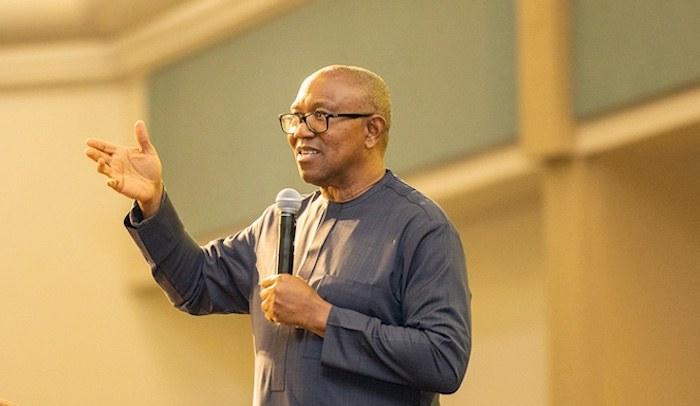
…Urges governments to strengthen early warning systems, emergency preparedness and accountability in disaster management
Former Anambra State Governor and Nigeria Democratic Congress (NDC) presidential candidate for the 2027 election, Peter Obi, has warned that millions of Nigerians are exposed to avoidable disasters arising from governance failures, weak emergency preparedness, insecurity, poor infrastructure and inadequate attention to citizens’ welfare.
Obi, in a statement to commemorate the International Day for Disaster Risk Reduction on October 13, said Nigerians were grappling with multiple threats, including flooding, insecurity, displacement, hunger, malnutrition, rising poverty and the destruction of livelihoods.
He argued that although natural disasters could not always be prevented, their devastating consequences could be significantly reduced through responsible leadership, effective planning, early warning systems, durable infrastructure and efficient emergency response mechanisms.
According to him, the growing exposure of Nigerians to these dangers underscores the need for governments at all levels to place the safety, security and welfare of citizens at the centre of public policy.
Obi maintained that the impact of governance should not be measured exclusively by revenue generation, economic statistics or official ceremonies, but by the extent to which citizens could live safely, preserve their livelihoods and enjoy a reasonable quality of life.
He expressed concern that preventable human suffering had become commonplace in many communities, with vulnerable households bearing the heaviest consequences of natural hazards, criminal violence, economic hardship and institutional weaknesses.
The former presidential candidate said governments could not credibly claim meaningful progress while citizens continued to lose their homes and livelihoods to flooding, suffer abduction by criminal groups, face hunger or remain unprotected against foreseeable threats.
“Although disasters cannot always be prevented, their effects can be limited through accountable leadership, early warning mechanisms, responsible land-use planning, durable infrastructure, efficient emergency services, and prompt humanitarian assistance,” Obi said.
He warned that when public authorities failed to anticipate dangers, invest in preventive measures or respond promptly when emergencies occurred, the resulting human and economic losses became considerably more severe.
Governance And Disaster Prevention
Obi's intervention places governance and institutional preparedness at the centre of Nigeria's disaster risk management debate, drawing attention to the relationship between public administration, infrastructure development, environmental planning and the protection of vulnerable communities.
Flooding, for instance, can be worsened by unregulated construction, blocked drainage channels, inadequate urban planning, poor waste management and the occupation of flood-prone areas without appropriate safeguards.
Similarly, the consequences of emergencies can be aggravated by inadequate evacuation arrangements, limited access to emergency shelters, weak coordination among response agencies and delays in delivering relief materials to affected communities.
Obi's argument is that disaster management should extend beyond responding to emergencies after lives and property have been lost. Governments must identify potential threats, prepare communities, strengthen response institutions and make sustained investments in measures that reduce the likelihood and severity of disasters.
This approach requires cooperation among federal, state and local governments, emergency management agencies, environmental authorities, security organisations and community leaders.
It also demands reliable communication systems through which citizens can receive timely information about impending floods, extreme weather conditions and other threats, allowing households and communities to take precautionary action before danger becomes imminent.
For Obi, the failure to implement such measures represents more than an administrative shortcoming. It raises fundamental questions about accountability and the responsibility of public institutions to protect citizens from foreseeable harm.
Flooding, Insecurity And Humanitarian Challenges
Nigeria's disaster risk challenges extend beyond natural hazards to include security emergencies and humanitarian crises that disrupt communities, destroy livelihoods and expose vulnerable populations to prolonged hardship.
Flooding can displace families, destroy homes, damage roads and bridges, disrupt agricultural production and contaminate sources of drinking water. When farmlands are submerged or access to markets is interrupted, the consequences can extend to food availability, household incomes and the cost of essential commodities.
For farming communities, the destruction of crops and agricultural infrastructure can undermine livelihoods long after floodwaters have receded. Children may lose access to education when schools are damaged or families are forced to relocate, while affected households may struggle to recover without adequate financial and material assistance.
Insecurity presents another dimension of the challenge identified by Obi. Abductions, attacks on communities and forced displacement can leave families without shelter, income or access to basic services. In such circumstances, the absence of timely humanitarian assistance can deepen suffering and make recovery more difficult.
The interaction between insecurity, poverty, hunger and displacement can also produce a cycle of vulnerability in which households already struggling economically have fewer resources to withstand emergencies.
Obi's warning therefore calls attention to the need for disaster risk reduction policies that recognise the connections between environmental threats, public safety, economic resilience and social protection.
He stressed that the most vulnerable citizens frequently suffer disproportionately when public institutions fail to anticipate emergencies or provide effective assistance.
Call For Accountability In Disaster Management
A major component of Obi's message is the need for transparency and accountability in the administration of disaster management funds.
He urged governments to ensure that resources allocated to prevention, emergency response, humanitarian assistance and rehabilitation were deployed efficiently and reached the communities for which they were intended.
Disaster management requires not only the availability of public funds but also effective coordination, credible monitoring and clear responsibility for results. Where resources are poorly managed, emergency interventions may fail to reach affected households promptly, while communities remain exposed to recurring threats.
Obi called on governments to invest more deliberately in prevention, arguing that early action could reduce the human and economic costs associated with disasters.
Such investments include improved drainage systems, the enforcement of building regulations, the protection of waterways, the maintenance of roads and bridges, the provision of emergency shelters and the strengthening of institutions responsible for disaster preparedness.
He also advocated prompt relief and lasting rehabilitation for affected communities, suggesting that emergency assistance should be accompanied by measures that enable displaced households to rebuild their lives and restore their livelihoods.
The distinction between immediate relief and long-term recovery is particularly important in communities repeatedly affected by flooding, insecurity or other emergencies. Food, temporary accommodation and medical assistance may address immediate needs, but sustainable recovery also requires restored infrastructure, access to education and healthcare, livelihood support and measures to prevent a recurrence of the same crisis.
Government Responsibility And Citizens' Welfare
Obi's statement also raises a broader question about how government performance should be evaluated in a country confronting economic pressures, security challenges and persistent infrastructure deficits.
He argued that revenue figures and economic indicators, although important, should not be treated as sufficient evidence of progress when citizens remain exposed to threats that public policies could help mitigate.
His position places human welfare at the centre of the debate over national development, insisting that the ultimate purpose of governance is to create conditions in which citizens can live in safety and dignity.
This perspective requires public authorities to assess development projects not only by their financial costs or projected economic returns but also by their contribution to public safety, resilience and the protection of vulnerable populations.
For instance, investments in effective drainage, flood-control infrastructure, emergency communication and resilient public buildings may not always generate the immediate visibility associated with major construction projects. However, their long-term value becomes evident when communities are protected from preventable losses.
Likewise, effective emergency response systems can reduce fatalities, limit the destruction of property and help communities recover more quickly after a crisis.
Obi urged governments at the federal, state and local levels to adopt a people-focused approach that prioritises prevention, strengthens emergency institutions and ensures that assistance reaches those who need it.
His call places particular emphasis on the responsibility of public officials to anticipate risks rather than wait for disasters to expose weaknesses in planning and administration.
International Day For Disaster Risk Reduction
The International Day for Disaster Risk Reduction, observed annually on October 13, provides an opportunity to raise awareness of the need to reduce exposure to disasters and strengthen the capacity of communities and institutions to withstand emergencies.
The observance highlights the importance of prevention, preparedness, risk awareness and coordinated action in reducing the human and economic consequences of disasters.
For Nigeria, the occasion is particularly relevant because effective disaster risk reduction requires sustained collaboration among government institutions, businesses, civil society organisations, communities and citizens.
Early warning systems, for example, are most effective when warnings are communicated clearly, reach people at risk and are supported by practical evacuation arrangements. Similarly, land-use regulations can only deliver meaningful protection when they are enforced consistently and supported by adequate infrastructure.
Public education is also essential. Communities need accessible information about the risks they face, the precautions they should take and the emergency procedures available to them.
Obi's statement reinforces the argument that disaster risk reduction should be integrated into development planning rather than treated as an occasional intervention activated only after a major emergency.
'Nigeria Must Not Accept Avoidable Suffering'
Concluding his message, Obi warned against allowing preventable suffering to become an accepted feature of Nigerian life.
“Nigeria must not accept avoidable suffering as normal,” he declared, stressing that the protection of citizens' safety, security and welfare was a fundamental responsibility of government.
He called for a country in which effective governance would limit risks, safeguard lives and give every citizen a fair opportunity to live in safety and dignity.
His message ultimately challenges public authorities to demonstrate the effectiveness of their policies through measurable improvements in the lives of Nigerians, particularly those most exposed to environmental hazards, insecurity, poverty and displacement.
The central issue, therefore, is not whether every disaster can be prevented, but whether the country is doing enough to anticipate foreseeable dangers, minimise their consequences and support affected communities.
For millions of Nigerians living with the threat of flooding, displacement, violence and economic insecurity, the difference between effective preparation and institutional failure can determine whether a crisis remains manageable or develops into a humanitarian catastrophe.
Obi's intervention calls for a shift from reactive emergency management to a system that places prevention, accountability, preparedness and human welfare at the heart of governance.
As Nigeria marks the International Day for Disaster Risk Reduction, the challenge before governments is to translate such commitments into practical action, ensuring that disaster preparedness becomes a sustained public responsibility rather than a promise renewed whenever tragedy strikes.