PublicSphere Live
Judiciary
SERAP Sues CBN over Alleged $6.23m Missing Election Funds, ₦1.63trn in Other Public Funds
Rights Group Seeks Court Order Compelling Apex Bank to Disclose Beneficiaries, Recoveries and Investigation Findings
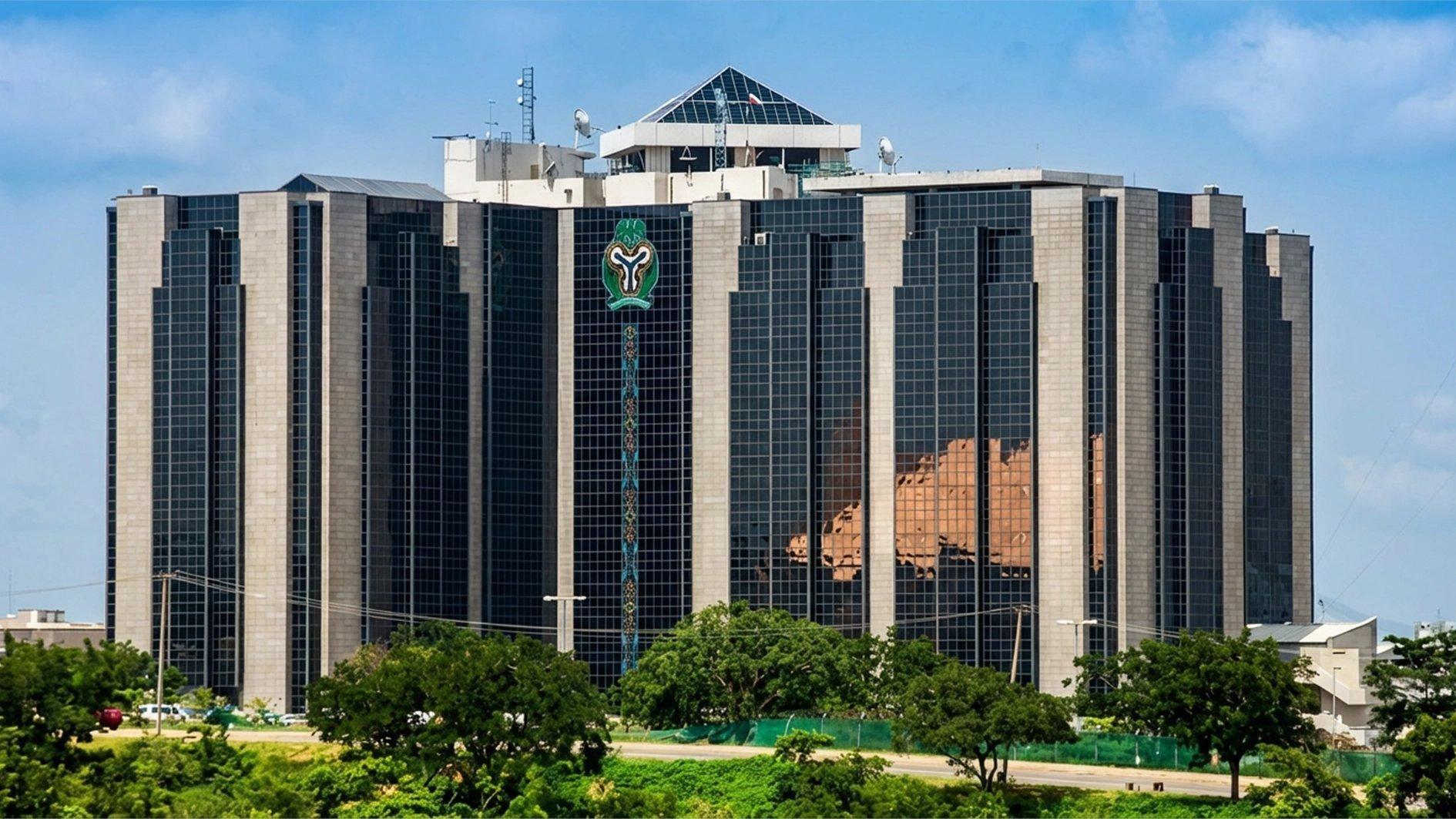
The Socio-Economic Rights and Accountability Project (SERAP) has sued the Central Bank of Nigeria (CBN) over its alleged failure to account for $6.23 million linked to a controversial election-funding request and more than ₦1.63 trillion in other public funds flagged in the 2023 report of the Auditor-General of the Federation.
The organisation is asking the Federal High Court in Abuja to compel the apex bank to explain the whereabouts and utilisation of the funds, identify the individuals and institutions that benefited from the transactions, disclose the findings of its internal investigations and provide details of efforts to recover the money.
The suit, numbered FHC/ABJ/CS/2450/2026, was filed last Friday, according to a statement issued by SERAP Deputy Director, Kolawole Oluwadare, on Sunday, October 11, 2026.
The legal action follows findings contained in Volume II of the Auditor-General of the Federation’s 2023 Annual Report, published on August 7, 2026, which raised questions about the management, recovery and accounting of public funds handled by the CBN during various periods between January and December 2023.
The financial issues identified in the report include $6.23 million in payments associated with an allegedly fraudulent election-funding request purportedly made by former President Muhammadu Buhari, more than ₦1.25 trillion in outstanding intervention loans to state governments, ₦116.18 billion in loans to distressed and liquidated banks, and approximately ₦262.86 billion disbursed under the Anchor Borrowers’ Programme.
The allegations, if substantiated, could have significant implications for public financial accountability, particularly because the funds were associated with programmes intended to support government operations, strengthen the banking sector and improve agricultural production and food security.
SERAP, however, is not asking the court to determine the allegations of fraud as an established fact at this stage. Rather, it wants the CBN compelled to provide the relevant records and explanations necessary to establish what happened to the money, whether any losses occurred and who should be held responsible if wrongdoing is established.
$6.23m Election-Funding Transaction Under Scrutiny
At the centre of the lawsuit is an alleged financial irregularity involving $6.23 million at the CBN’s Abuja branch, which the Auditor-General reportedly said had not been adequately investigated or accounted for.
According to the audit report as quoted by SERAP, the CBN’s internal audit disclosed that the money was spent following a request for election funding purportedly made by Buhari, who was Nigeria’s president until May 2023.
The report, as reproduced in SERAP’s statement, said the CBN failed to make the internal investigation report available to the audit team for scrutiny and confirmation.
The absence of the report meant that the auditors could not independently verify the circumstances surrounding the transaction or establish whether the expenditure had been properly authorised and accounted for.
The Auditor-General reportedly expressed concern that the money might have been lost and that the payments could have been fraudulent, recommending that the amount be recovered and remitted to the treasury.
The allegation does not, by itself, establish that Buhari personally requested or received the funds, nor does the statement establish that he was involved in any wrongdoing. The key issue raised by the audit is the purported request, the subsequent disbursement and the failure to provide the documentation needed to verify the transaction.
SERAP wants the court to compel the CBN to disclose the purposes for which the money was released, the identities of the beneficiaries, the repayment or recovery status, where applicable, and the findings of any internal investigation into the transaction.
The organisation is also seeking information identifying the officials and other persons who authorised the release of the funds, alongside details of any disciplinary or administrative action taken over the matter.
For the organisation, the disclosure of these records is necessary to establish responsibility and determine whether public funds were lost through fraud, administrative failure or other irregularities.
₦1.25trn State Government Loans: Recovery Questions
Another major component of the lawsuit concerns more than ₦1.25 trillion in CBN intervention loans reportedly granted to various state governments.
The Auditor-General put the outstanding amount at ₦1,252,095,444,724.82, expressing concern that the funds had not been recovered as required.
According to SERAP, the audit report warned that the money might have been diverted to private purposes and recommended its recovery and remittance to the treasury.
The allegation raises questions about the terms under which the intervention loans were granted, the repayment obligations of the beneficiary states, the maturity dates of the facilities and the measures taken by the CBN to enforce repayment.
Intervention lending has historically been used by the CBN as a policy instrument to support economic activities, provide targeted financing and address specific financial pressures. However, such facilities remain subject to the applicable terms and conditions, accounting requirements and recovery arrangements.
The size of the outstanding amount makes transparency particularly important. An unpaid loan does not automatically establish that public money has been stolen or diverted, as repayment difficulties, restructuring arrangements and other contractual circumstances may affect recovery. Nevertheless, the audit concerns require the CBN to explain the status of the facilities and demonstrate what steps have been taken to protect public resources.
SERAP is therefore asking for a clear account of the loans, the identities of the beneficiaries, their repayment status and the measures adopted to recover outstanding balances.
The requested disclosures could help clarify whether the funds remain recoverable obligations, whether any facilities have been restructured or whether evidence exists of improper use.
₦116.18bn In Loans To Distressed Banks
The suit also addresses ₦116.18 billion in loans reportedly granted to distressed and liquidated banks.
The Auditor-General identified the outstanding amount as ₦116,179,000,000 and reportedly faulted the CBN for failing to recover the loans and provide the audit team with its 2023 audited or draft financial statements and a schedule showing recoveries and outstanding balances.
The absence of the requested documentation, according to SERAP’s account of the report, prevented the auditors from scrutinising the relevant transactions and confirming the recovery position.
The issue is significant because loans to distressed financial institutions involve public resources and can remain unresolved for extended periods, depending on the circumstances of the institutions concerned, the status of their assets and the applicable recovery arrangements.
Where banks have been liquidated, recovery efforts may involve the realisation of assets, claims against responsible parties and other legally available mechanisms. The extent to which any of these measures has been pursued in the cases identified by the Auditor-General was not established in SERAP’s statement.
The organisation wants the CBN to provide a detailed account of the loans, explain the outstanding balances and disclose the steps taken to recover the money.
It is also seeking information about the officers responsible for approving and administering the facilities and any administrative or disciplinary measures taken where irregularities have been identified.
The disclosure, SERAP argues, would allow the public and relevant oversight institutions to assess whether the apex bank has fulfilled its responsibilities in managing the funds.
Anchor Borrowers’ Programme: ₦262.86bn Questioned
The Anchor Borrowers’ Programme, established to support agricultural production by linking smallholder farmers with financing and agricultural inputs through participating anchors, is another focus of the legal action.
According to the Auditor-General’s findings cited by SERAP, the CBN spent ₦262,859,473,249.81 under the programme but failed to provide the audit team with a comprehensive list and number of beneficiaries or sufficient information about the programme’s impact.
The report reportedly stated that the money remained in the hands of some participating anchors, raising concerns about whether the funds reached their intended beneficiaries and achieved their agricultural objectives.
The Auditor-General also expressed concern that the money might have been diverted to private purposes and called for its recovery.
The programme was designed to improve access to agricultural finance, strengthen domestic food production and reduce dependence on food imports. Its effectiveness therefore depends not only on the amount disbursed but also on the ability to trace the funds, establish the identities of participating farmers and determine whether the financing translated into measurable agricultural output.
Without reliable beneficiary records and evidence of the programme’s impact, it becomes difficult to determine how much support reached farmers, whether participating anchors fulfilled their obligations and what economic benefits were achieved.
The audit concerns do not, on their own, establish that the entire amount was stolen or that every participating anchor failed to meet its obligations. They do, however, raise questions about the adequacy of monitoring, documentation and recovery mechanisms.
SERAP wants the CBN to disclose the identities and number of beneficiaries, the amounts received by participating anchors, the repayment position and the measures taken to recover outstanding funds.
The organisation also wants the bank to explain how it assessed the programme’s performance and what action was taken where funds were not used for their intended purposes.
Seven Boxes Of Currency Notes, Abandoned Vehicles
Beyond the large financial transactions, the lawsuit seeks explanations for several operational and asset-management issues identified in the Auditor-General’s report.
One concerns seven boxes of currency notes classified as awaiting examination, which the CBN reportedly failed to account for adequately.
According to the report cited by SERAP, the notes had remained awaiting examination for an extended period, prompting concern that the situation could result in a growing backlog and possible mismanagement of funds.
The Auditor-General reportedly recommended sanctions for gross misconduct.
SERAP is seeking an order compelling the CBN to disclose the relevant records concerning the seven boxes, including their status and the steps taken to examine and account for the currency notes.
The organisation is also asking for information about unserviceable vehicles reportedly abandoned at the CBN’s Lagos branch.
The Auditor-General observed that the condition of the vehicles had affected the smooth operations of the branch, warning that the situation could undermine operational efficiency and delay critical currency-related activities.
The report reportedly requested evidence of the disposal of the vehicles and their replacement.
A similar concern was raised about an unserviceable bullion van at the CBN’s Abeokuta branch, which the Auditor-General said remained on the branch’s records despite having been abandoned.
Although these operational issues differ in scale from the billions and trillions of naira involved in the other findings, they form part of the broader questions surrounding the management of public assets, record-keeping and internal controls within the institution.
SERAP wants the CBN to provide the relevant disposal and replacement records and explain what action has been taken to address the issues.
SERAP Invokes Constitution, CBN Act
In its suit, SERAP argues that accountability by public institutions is essential to Nigeria’s constitutional democracy and that the allegations contained in the Auditor-General’s report require credible investigation.
The organisation maintains that the CBN’s institutional independence cannot be interpreted as immunity from statutory accounting requirements, public financial oversight, access to information or investigations into credible allegations of financial misconduct.
It is relying, among other provisions, on Section 15(5) of the 1999 Constitution, which requires the state to abolish corrupt practices and abuse of power, as well as Section 13, which places an obligation on all organs of government to observe and apply the provisions of Chapter II of the Constitution.
SERAP also cites the Central Bank of Nigeria Act 2007, particularly provisions concerning the responsibilities of the bank’s leadership, accounting, audit and financial reporting.
According to the organisation, Section 7(2) of the Act places responsibility on the CBN Governor and Deputy Governors to ensure that true accounts are kept of the bank’s transactions, assets, liabilities and valuables entrusted to it.
Sections 49 and 50, as cited in the suit, provide for the audit of the bank’s accounts and requirements relating to its annual accounts and reporting.
The organisation further relies on Nigeria’s obligations under the United Nations Convention against Corruption, particularly provisions concerning anti-corruption policies and the proper management of public affairs and public funds.
SERAP argues that these constitutional, statutory and international obligations reinforce the need for the CBN to account for the funds identified by the Auditor-General and disclose the actions taken to investigate and resolve the concerns.
Its lawyers, Kolawole Oluwadare, Kehinde Oyewumi, Andrew Nwankwo and Kelechi Anwu, filed the suit on behalf of the organisation.
What SERAP Wants The Court To Order
The principal relief sought by SERAP is an order of mandamus compelling the CBN to account for the $6.23 million in allegedly diverted or unaccounted-for election funds and more than ₦1.63 trillion in other public funds.
It is also seeking an order requiring the bank to disclose the purposes, beneficiaries, repayment status and recovery measures associated with the funds, as well as the findings of its internal investigation into the alleged election-funding fraud.
Another request is for the identification of the officials and other persons responsible for approving and disbursing the affected funds and disclosure of any disciplinary or administrative action taken.
The organisation is further asking the court to compel the CBN to provide records concerning the seven boxes of currency notes awaiting examination, the abandoned vehicles at its Lagos branch and the unserviceable bullion van at its Abeokuta branch.
An order of mandamus is a judicial remedy that may compel a public authority to perform a legal duty where the applicable legal requirements are satisfied. SERAP’s application therefore places before the court the question of whether the CBN can be compelled to provide the requested accounts and records under the relevant legal framework.
No date has been fixed for the hearing of the suit, according to the organisation’s statement.
The CBN’s response to the allegations and the reliefs sought was not included in the statement announcing the lawsuit.
Public Accountability And The Burden Of Proof
The case brings renewed attention to the relationship between public financial management, independent auditing and the obligation of government institutions to explain how public resources are handled.
The Auditor-General’s findings constitute formal audit concerns that warrant clarification, but they should not be treated as final judicial determinations that fraud occurred or that every amount identified has been permanently lost.
Some of the sums relate to outstanding loans, while others concern payments that auditors could not verify, programme funds whose beneficiaries or impact were not adequately documented, and operational assets requiring explanation. Each category raises distinct questions that must be resolved through records, investigations and, where necessary, legal proceedings.
The CBN’s response will be important in determining the status of the transactions, the extent of any recoverable losses and whether administrative or criminal responsibility can be established against identifiable individuals.
For taxpayers and other Nigerians, the central issue is whether public money can be traced from authorisation and disbursement through to its intended use, repayment or recovery, with clear responsibility assigned wherever failures are established.
SERAP maintains that identifying those responsible, pursuing appropriate legal action against any perpetrators and recovering public funds found to have been unlawfully lost would serve the public interest.
The suit now places the demand for answers before the Federal High Court, with the requested disclosures potentially providing a clearer picture of the transactions, the bank’s internal controls and the measures taken to address the Auditor-General’s concerns.