PublicSphere Live
Politics
Atiku Raises Alarm over Appointment of Two Yoruba Officials to Key INEC Departments
ADC presidential candidate demands transparency in appointments, election-material production ahead of 2027 polls
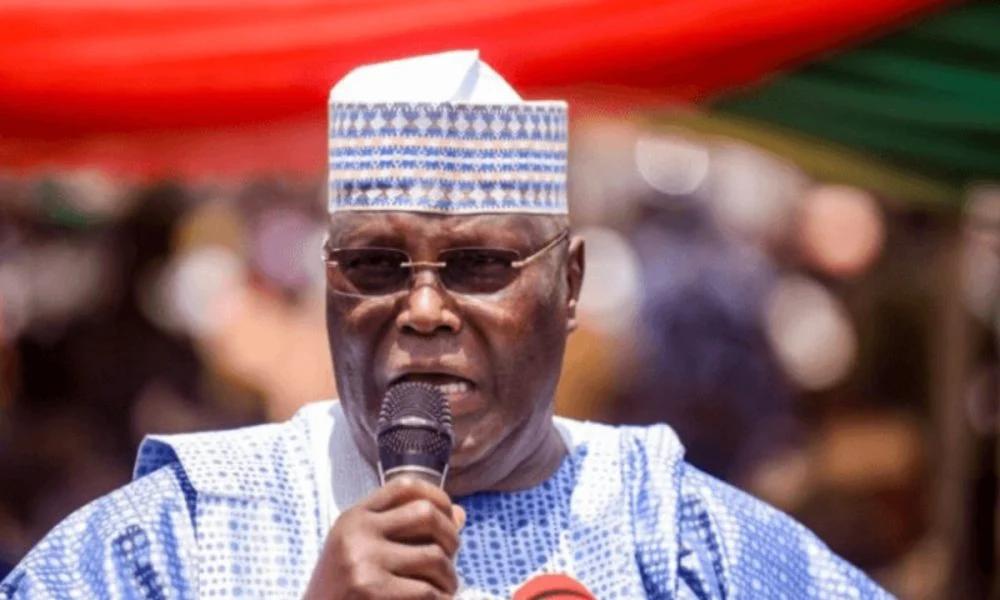
Former Vice President and presidential candidate of the African Democratic Congress (ADC), Atiku Abubakar, has called on the Independent National Electoral Commission (INEC) to explain the appointment of two persons of Yoruba ethnicity to head key departments responsible for electoral operations and information technology ahead of the 2027 general elections.
Atiku, in a statement issued on Sunday by his spokesperson, Phrank Shaibu, also urged President Bola Ahmed Tinubu to refrain from interfering in the activities of the electoral body, warning that public confidence in the electoral process must be protected as preparations for the next general elections gather momentum.
The ADC presidential candidate specifically questioned the appointments of Mrs Oluyemi Titilayo Adeyemi-Showunmi as head of INEC's Electoral Operations and Voter Registry Department and Dr Lawrence Bayode as head of its Information and Communication Technology (ICT) Department.
According to reports cited in the statement, Adeyemi-Showunmi was recently appointed to replace Magaji Gum, while Bayode currently heads the commission's ICT Department.
Atiku argued that the two departments occupy strategic positions in the administration of elections, given their responsibilities for electoral logistics, voter registration and the technological systems that support the conduct and management of elections.
He therefore called on INEC to publicly explain the criteria used in making the appointments and demonstrate that the decisions were based on merit, followed established procedures and were free from political interference.
“These departments are at the heart of election administration. INEC must explain these decisions, publish the criteria applied and show that every appointment and redeployment followed due process, was based on merit and was free from political interference,” Atiku said.
He added that Nigerians would not be satisfied with general assurances on issues that could affect confidence in the electoral process.
The former vice president's intervention comes amid heightened political activity and growing scrutiny of institutions expected to organise the 2027 elections, with opposition parties and political stakeholders increasingly emphasising the need for transparency, impartiality and credible electoral administration.
Atiku also raised concerns about reports relating to the production of election materials, demanding that INEC disclose the identities of the companies involved and explain the procedures governing the procurement, production, storage and distribution of the materials.
He called on the commission to confirm or deny the reports and provide information on the materials assigned to each company, the states they are intended to serve, the procurement methods adopted and the security clearances obtained by the contractors.
“These reports demand urgent and unequivocal answers. INEC must confirm or deny them and publish the names of every company engaged, the materials and states assigned to each, the procurement method, the security clearances obtained and the safeguards governing production, storage and delivery,” he said.
Atiku maintained that the public should not have to rely on information from unnamed sources to understand the arrangements for producing sensitive electoral materials, particularly those connected with the conduct of a general election.
He argued that proactive disclosure by INEC would help address public concerns and strengthen confidence in the commission's preparedness for the elections.
The former vice president further warned against any attempt to manipulate the outcome of the 2027 polls, insisting that Nigerians must be allowed to freely determine their political leadership through a credible electoral process.
“Let there be no mistake: Nigerians will not accept a stolen election. Any attempt to rig the 2027 polls will be met with determined resistance through the ballot, lawful civic action, and every other democratic channel available to the people,” he stated.
He also cautioned INEC officials that their actions would be closely scrutinised and that they would be held accountable for their conduct in the discharge of their responsibilities.
Atiku's statement placed particular emphasis on the role of President Tinubu and his administration, urging the president to keep away from the electoral commission's operations to protect its institutional independence.
The demand comes against the backdrop of political competition ahead of the 2027 presidential election, in which the ADC and other opposition parties are expected to challenge the ruling All Progressives Congress (APC).
However, the questions raised by Atiku over the ethnicity of the appointees and their placement in strategic departments remain allegations and concerns expressed by the opposition politician. The statement, as presented, does not establish that the appointments were politically directed, that the officials lack the necessary qualifications or that electoral materials have been manipulated.
The appointment of officials to sensitive electoral positions is a matter that can attract legitimate public scrutiny, but an assessment of whether the process was impartial would require information about the applicable appointment procedures, the officials' professional qualifications, the criteria applied and any evidence of political interference.
INEC's response to the concerns raised by Atiku would therefore be central to clarifying the circumstances surrounding the appointments and the arrangements for producing election materials ahead of the 2027 polls.
As preparations for the elections continue, the commission faces the broader responsibility of demonstrating that its decisions are guided by established procedures and that its operational arrangements can withstand public scrutiny.
For opposition parties, the central demand is that the electoral process should be transparent and credible enough to command public confidence. For INEC, the challenge is to address legitimate questions with verifiable information while carrying out its constitutional responsibilities without political interference.
The credibility of the 2027 elections will ultimately depend not only on the appointments made within the commission but also on the transparency of its procurement processes, the security of electoral materials, the impartial application of electoral rules and the confidence Nigerians have in the institution responsible for conducting the polls.